Top 3 Training Techniques to Increase Your Hockey Performance
The training world for a hockey player can be confusing! There are tons of fancy terms and training methods, so how the heck do you know what’s actually needed and truly going to be beneficial to your results? That’s where we come in! We’ll break down the top 3 techniques to master in your off-ice program to excel as a hockey player!
Although there are a million different techniques out there and may all have a benefit to your training, were going to break down the fundamental techniques to take your training to the next level.
Concentric Training
Concentric training refers to an exercise that involves a muscle shortening during the contraction phase. To simplify, a concentric contraction would be on the way up from a squat or on the way up from a pushup. Most would consider this the activation phase of the exercise or where you really feel the muscles squeeze and contract.
Concentric Variations
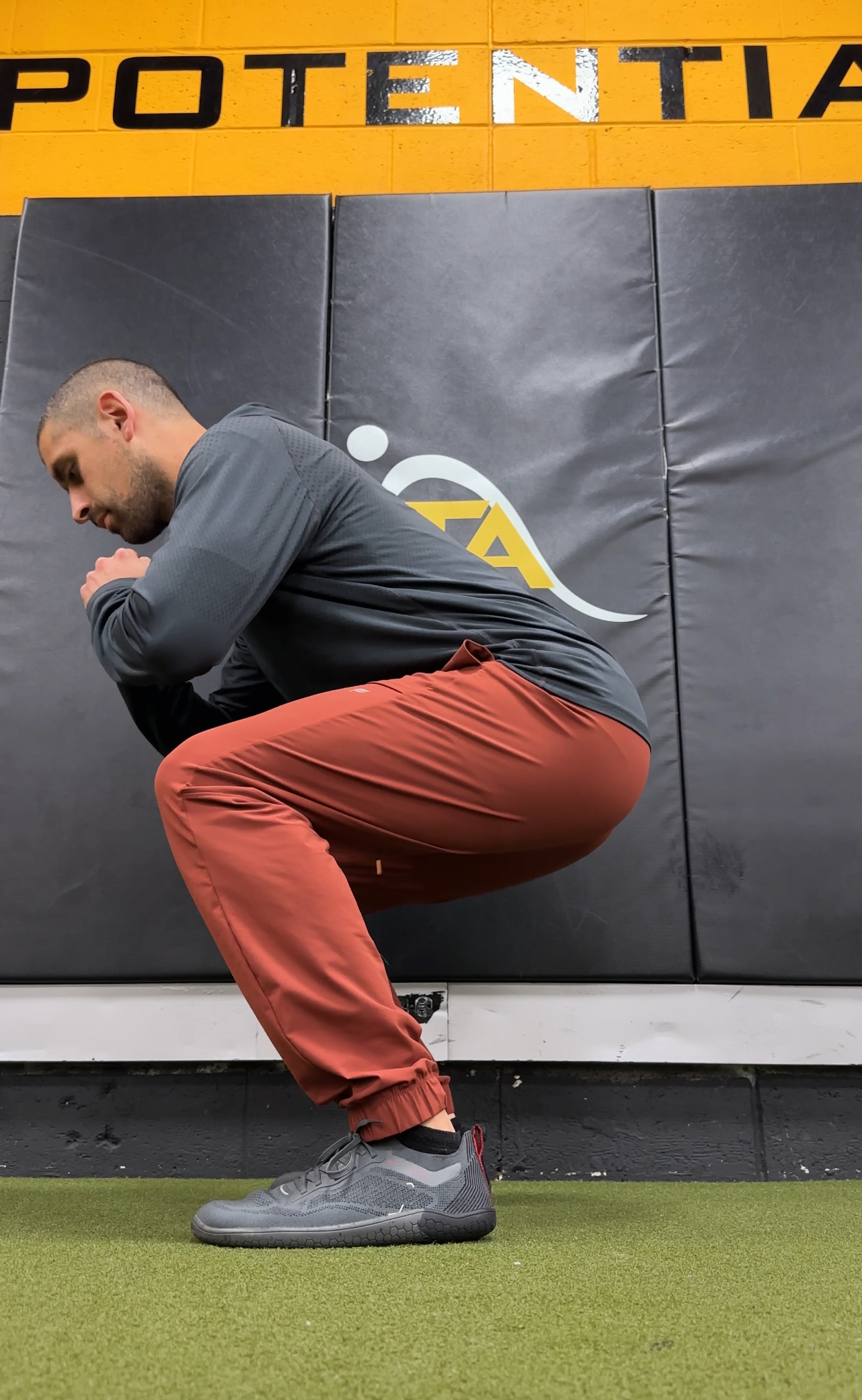
Duration – You can play with the time it takes to go through the concentric phase of the exercise. Adjust the time frame to anything you want but usually anywhere from 1-5 sec is a good range to train in. The longer the time frame the more time under tension for the muscles involved. More time doesn’t always mean better, it’s good to train slow but you also want to train at the movement speed you would also do in your sport.
Intensity/Speed – You can increase the speed or intensity of the rep which will help increase your explosiveness and power production. Important to make sure you train for stability and control before you go right for the speed! You can’t create effective power on an unstable frame!
Eccentric Training
Everyone forgets about eccentric training! Too many people focus on the concentric and not the eccentric or the lengthening phase of the muscle during the exercise. This one is just as important if not more important as most injuries occur during deceleration or while your muscles are lengthening while you’re trying to control and slow down your body. An example would be while you’re slowing down while running and trying to make a cut, if your body can’t handle the load on the joints while slowing down and injury could result.
Eccentric Variations
Duration – Same as with concentric training it’s great to adjust the time under tension with your exercises. Try adding a 3-5 sec eccentric phase while your going down on your squat or pushup. This can help train the muscles to control and handle excessive load leading to better injury prevention.
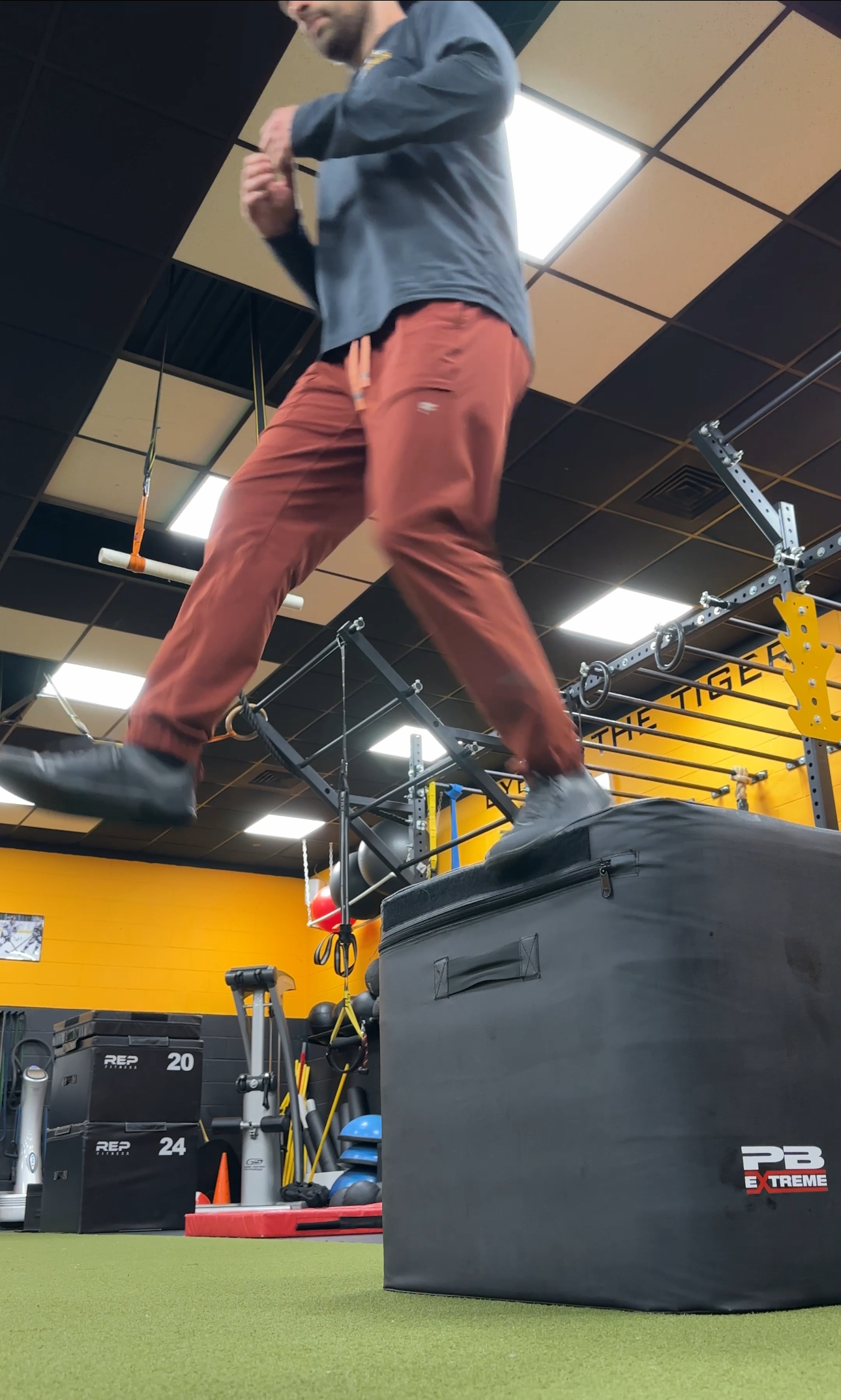
Speed/Rebound – Absorbing into your landings and being able to rebound out quickly is essential to your athletic performance. Think of your body like a spring, load into the landing and then launch yourself back up!
Isometric Training
Isometric training is another forgotten training method! This is where you hold a position like a squat, lunge, pullup, or pushup for an extended period of time. This helps load the joints and create stability in those different positions.
Isometric Variations
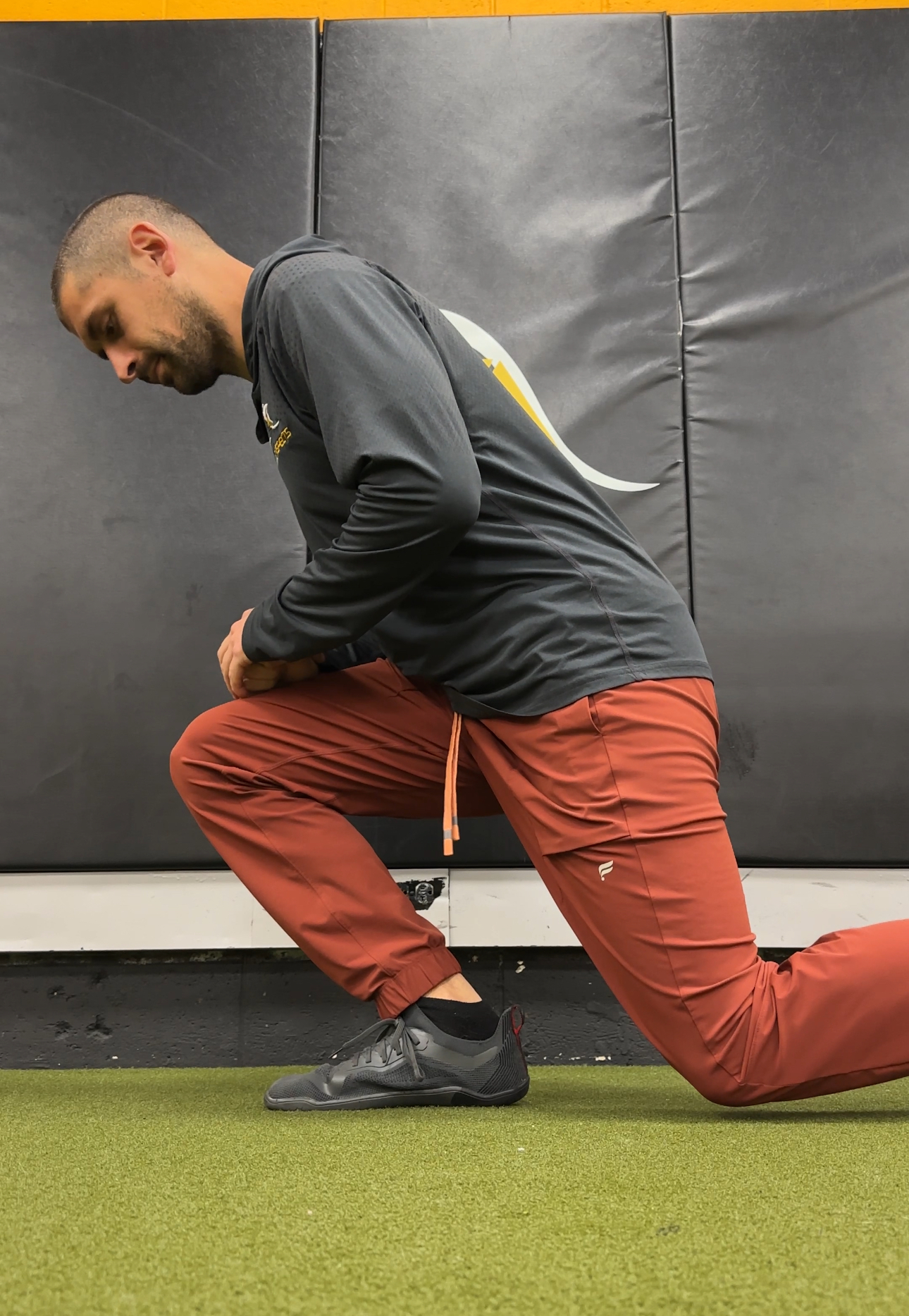
Pause Reps – This is where you pause at any point of the exercise for an extended period of time. An example would be pausing at the bottom of a squat for 5 seconds and then ascending back up. This helps increase strength and stability through your movements.
End Range Training – Although end range training could be practiced in any of these methods it’s best to start with isometrics as they are the most safe and least likely to create an injury while training. An example could be loading the ankle forward during a lunge. Great way to increase strength and stability in your end range without the injury risk!
Stay tuned for Part 2 where we show you our go-to exercises for concentric, eccentric and isometric training!
Written by:
Rob Jost – ACE-CPT, NSCA-CPT
Suggested Article: Coach Says I Need to be Faster…Help?!
Take action… Now!
Training Aspects Personal Training and Sports Performance:
Visit us: Inside of the Flyers Training Center 601 Laurel Oak Rd. Voorhees, NJ 08043