Top 3 Ways to Prevent Wrist and Fist Injuries While Boxing
In boxing, many fighters experience hand injuries, primarily to the wrists and knuckles. One of the main reasons for these injuries is poor punch mechanics. Many hand injuries are a direct result of boxers slapping and pushing punches instead of properly closing their fists and turning over their shots. Here are the top 3 ways to avoid hand injuries:
1. Closed Fist with Every Punch:
While an open hand inside your glove is acceptable for defending and when not punching, be sure to squeeze a closed fist when on the attack. Open hand punching can result in sprains, minor fractures, and sometimes full breaks of the hands and wrists.
2. Turn Punches Over:
Every punch thrown should be turned over, with knuckles forward and flush. This ensures the force is properly distributed and reduces the risk of injury.
3. Punch, Don’t Push:
Snap your punches rather than pushing them. Pushing your shots will almost certainly lead to jamming of the wrists. To avoid this, snap your punches quickly and return to your guard as soon as you hit your target.
Additional Tips to Protect Your Hands in Boxing
– Proper Wrapping: Always wrap your hands correctly before putting on your gloves. Hand wraps provide crucial support to the wrists and knuckles, reducing the risk of injury.
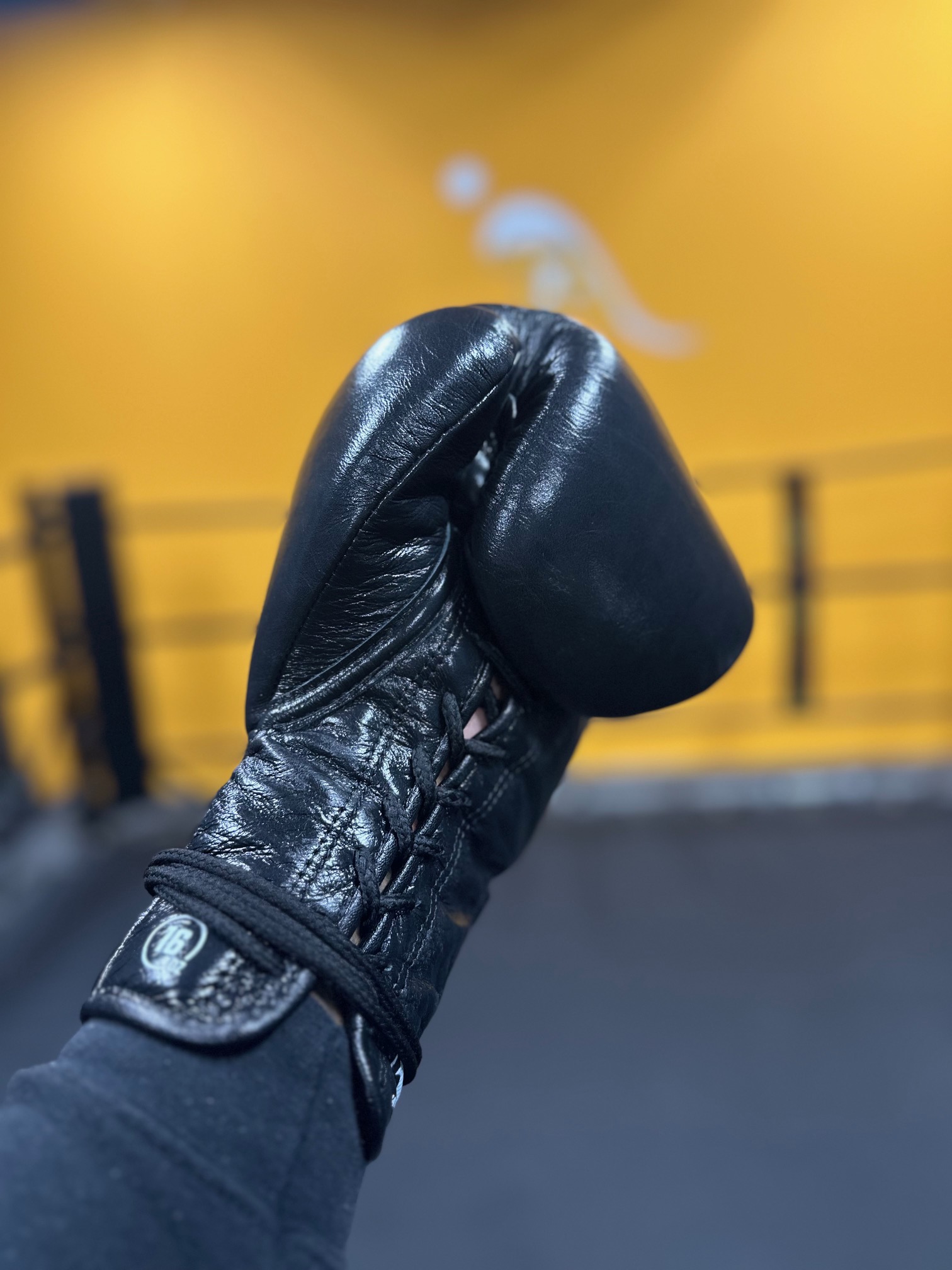
– Use Quality Gloves: Invest in high-quality boxing gloves that offer ample padding and wrist support. Gloves that are too worn out or poorly designed can increase the likelihood of hand injuries.
– Strengthen Your Hands and Wrists: Incorporate exercises that strengthen the muscles and tendons in your hands and wrists into your training routine. This can include wrist curls, grip strengthening exercises, and knuckle push-ups.
– Warm-Up and Stretch: Before every training session, make sure to properly warm up and stretch your hands and wrists. This helps to increase blood flow and flexibility, reducing the risk of injury. By following these tips and focusing on proper punch mechanics, you can significantly reduce the risk of hand and wrist injuries, allowing you to train and compete more effectively and safely.
Written by:
Thomas E. Kennedy III
Boxing Coach
Suggested Article: 3 Essential Footwork Drills for Boxing
Take action… Now!
Training Aspects Personal Training and Sports Performance:
Visit us: Inside of the Flyers Training Center 601 Laurel Oak Rd. Voorhees, NJ 08043