Fueling Performance: How Nutrition Timing Differs From Basal Metabolic Rate
Most people approach nutrition by focusing almost entirely on calories. They calculate their Basal Metabolic Rate, estimate how many calories they burn in a day, and assume that meeting those numbers is enough to support training, recovery, and performance. While total calorie intake is important, performance nutrition goes far beyond simply eating enough food to maintain body weight.
Athletic performance is heavily influenced not only by how much food is consumed, but also by when nutrients are delivered to the body. Nutrition timing protocols are designed to support the body during specific physiological demands that occur before, during, and after exercise.
Understanding Basal Metabolic Rate
Basal Metabolic Rate refers to the amount of energy the body requires at complete rest in order to sustain life. This includes essential functions such as breathing, circulation, brain activity, organ function, hormone regulation, and cellular repair.
However, BMR does not account for the increased demands created by physical training. Exercise places stress on the muscular system, nervous system, cardiovascular system, and metabolic system, which means the body needs additional fuel to perform, recover, and adapt.
Why Nutrition Timing Matters
Training creates different nutritional demands throughout the course of a workout. Before training, the goal is to prepare the body for movement by supplying energy, stabilizing blood sugar levels, supporting focus, and reducing muscle breakdown.
During training, the focus shifts toward maintaining hydration, preserving performance output, delaying fatigue, and sustaining energy production. After training, nutrition becomes centered around recovery by replenishing glycogen stores, stimulating muscle repair, and restoring fluid balance.
Pre-Workout Nutrition
Pre-workout nutrition is designed to prepare the body for physical output and improve the quality of the training session. A larger meal is generally best consumed two to four hours before training, while a smaller snack can be consumed thirty to sixty minutes before exercise if additional fuel is needed.
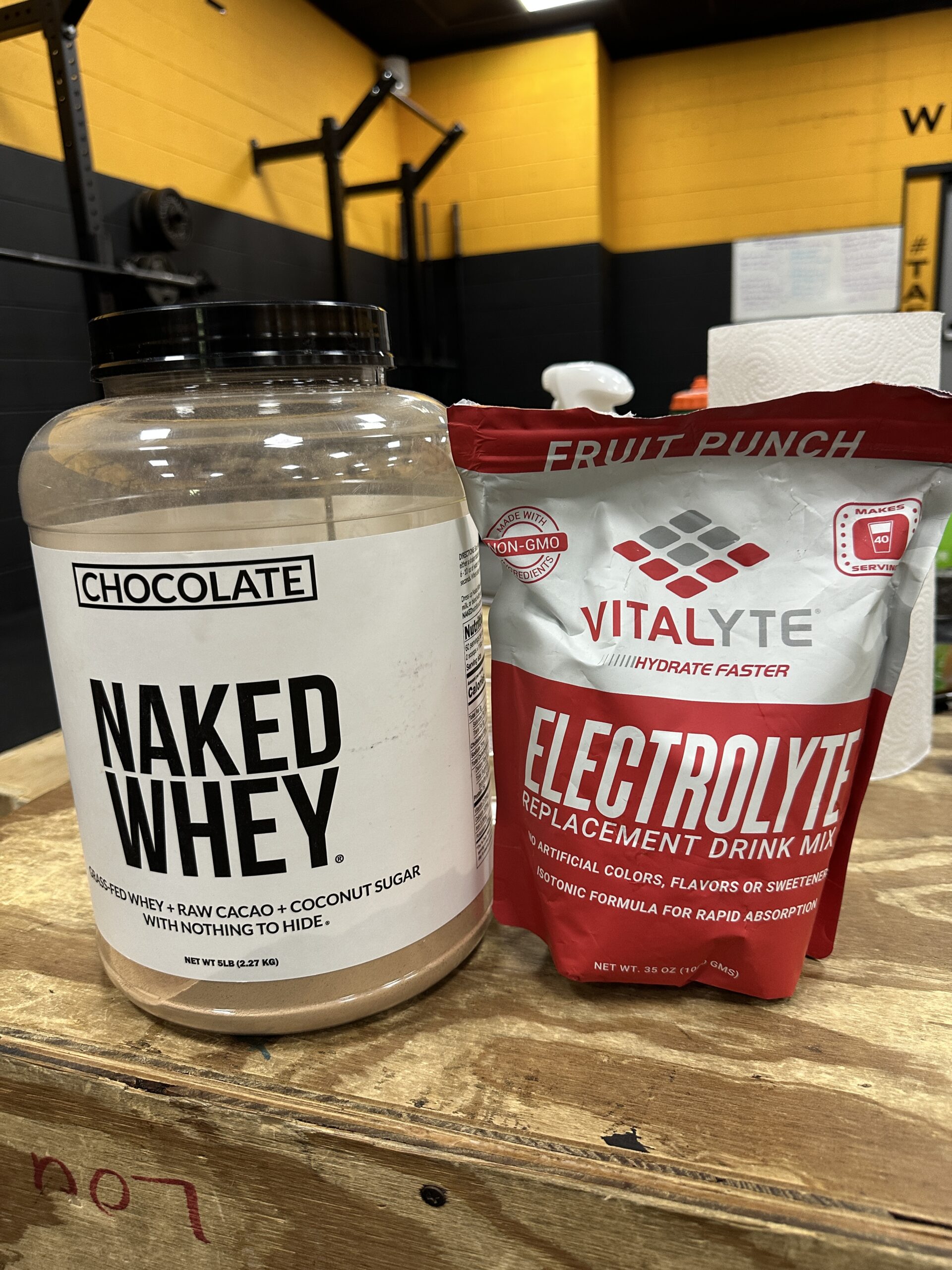
Carbohydrates are important before exercise because they serve as the primary fuel source for high-intensity activity. Protein supports muscle preservation and recovery, while hydration and electrolytes help maintain fluid balance, coordination, and muscular function.
During Training Nutrition
Not every workout requires intra-workout nutrition. For shorter strength sessions or lower-intensity workouts lasting under an hour, water alone is often sufficient.
Longer or more intense sessions may require fluids, electrolytes, and carbohydrates to maintain blood glucose, preserve performance output, delay fatigue, and replace what is lost through sweat.
Post-Workout Nutrition
The post-workout period is focused on recovery and adaptation. Protein supports muscle repair, carbohydrates replenish glycogen stores, and fluids with electrolytes help restore hydration and nervous system function.
Most individuals benefit from consuming recovery nutrition within one to two hours after training, especially when the session was intense, long, or part of a high-volume training schedule.
Performance Fueling Framework
Before Training
Primary Goal: Prepare the body for performance.
Focus on carbohydrates for energy, protein for muscle support, and fluids with electrolytes to improve hydration and readiness.
Ideal Timing: Full meal two to four hours before training, or a small snack thirty to sixty minutes before training.
During Training
Primary Goal: Maintain energy and performance.
Longer or more intense sessions benefit from hydration, electrolyte replacement, and carbohydrates to delay fatigue and sustain output.
Ideal Strategy: Sip fluids consistently throughout the workout and add carbohydrates during prolonged sessions.
After Training
Primary Goal: Recover and rebuild.
Prioritize protein to support muscle repair, carbohydrates to replenish glycogen stores, and fluids with electrolytes to restore hydration.
Ideal Timing: Consume recovery nutrition within one to two hours after completing training.
Written by:
Kirill Vaks
BA, CSCS
Take action… Now!
Voorhees Flyers Training center.
The Hollydell ice arena, in the main building.