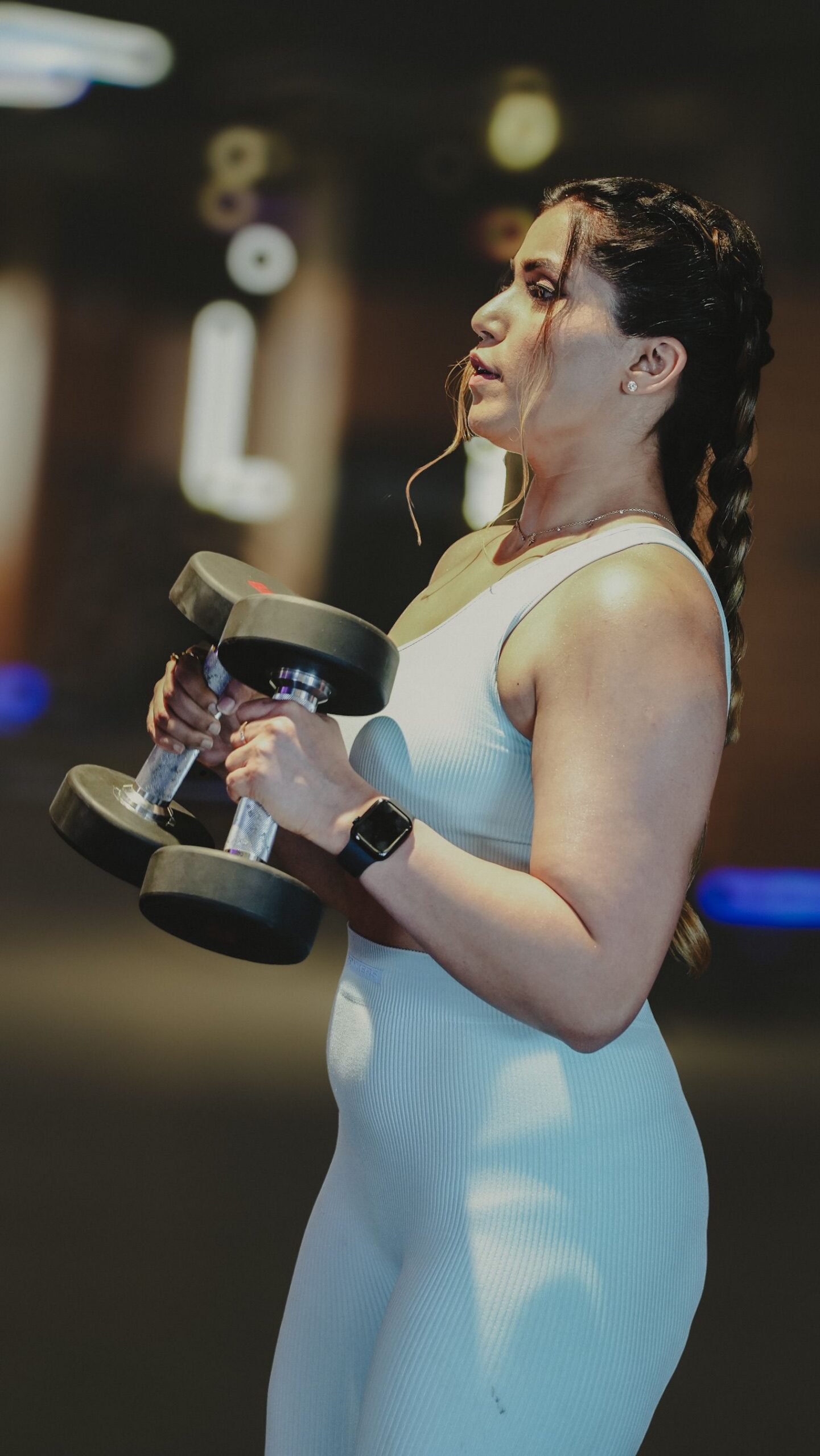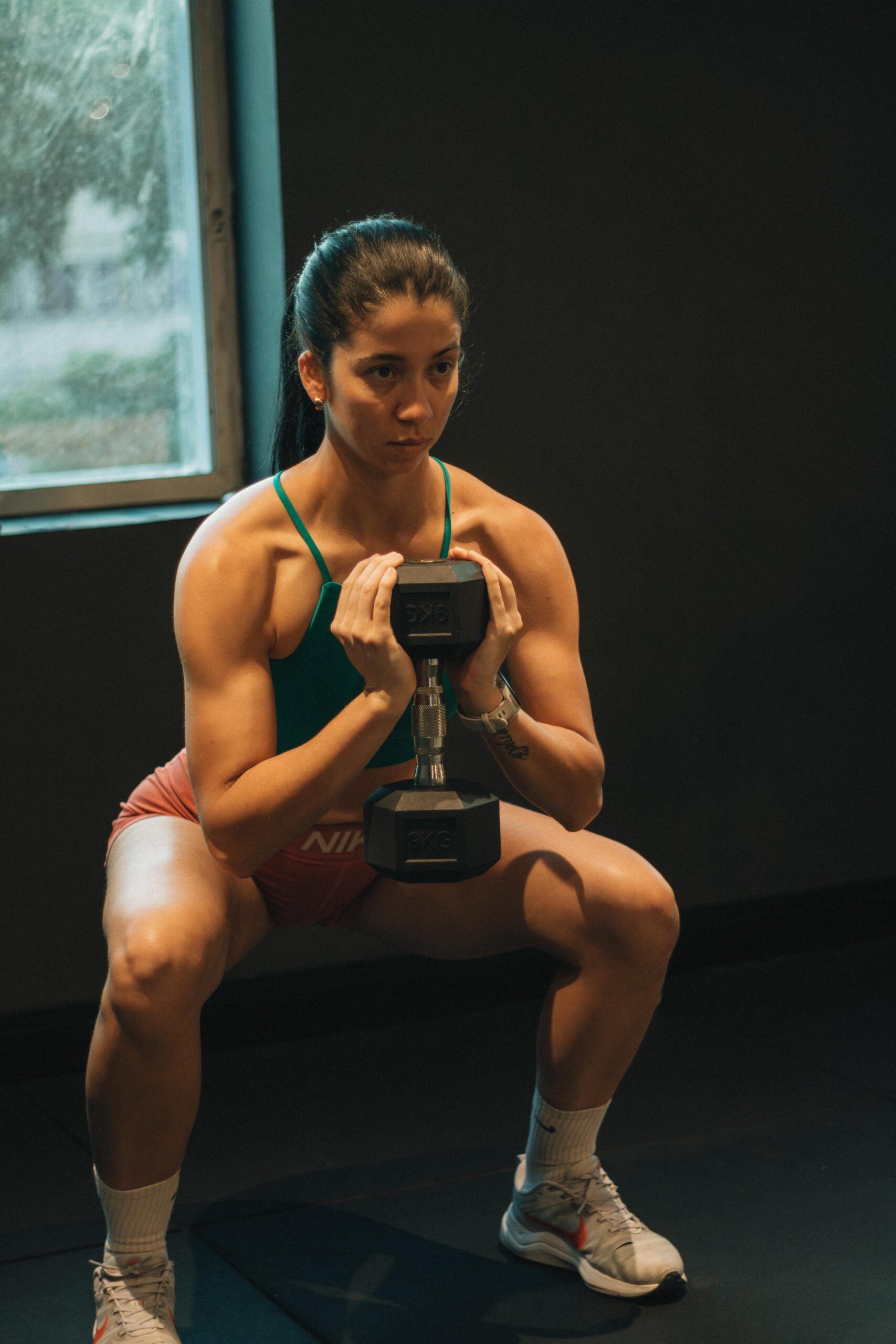
In training, we’re always told to fix what’s “wrong.” Tight hips, uneven movement, compensations, they’re all things that surely can seem to need immediate correction for injury prevention and for the general population, that’s usually a good approach. Cleaning up movement helps reduce pain, improve efficiency, and build a healthier foundation long term. Now when we’re talking athletes, especially experienced ones, it’s not always that simple.
Athletes build their performance off years of repetition. The way they cut, shoot, sprint, or react isn’t just technique but an instinct they’ve crafted for a while. That instinct is built through thousands of reps, and even if it’s not perfectly textbook, it’s what makes them effective at what they do. Over correcting those natural tendencies can actually throw off timing, rhythm, and confidence. You might “fix” the movement on paper, but take away what made them good in the first place.
Now it’s very important to understand this doesn’t mean you ignore compensations altogether. It just means you approach them differently. Instead of trying to completely rebuild how an athlete moves, the goal should be to support it. Strengthen around it. Improve stability where needed. Give them more control without taking away their natural feel for the game. A stronger, more stable version of what they already do well will almost always outperform a perfectly “corrected” version that feels unfamiliar.
This becomes even more important with older or more experienced athletes. The longer someone has moved a certain way, the more ingrained that pattern is. Trying to overhaul it completely can create hesitation and inconsistency in performance. Younger athletes, on the other hand, are still developing their movement patterns, which makes it easier to guide and refine early on without disrupting their game. So breaking it down, training athletes isn’t always about chasing perfect form but improving performance while keeping them healthy. You address the weaknesses, you build strength and stability, but you respect the movement patterns that got them there.
#unleashthepotential
Written by:
Dan Aquino
BS, ASFA-CPT
Take action… Now!
Voorhees Flyers Training center.
The Hollydell ice arena, in the main building.