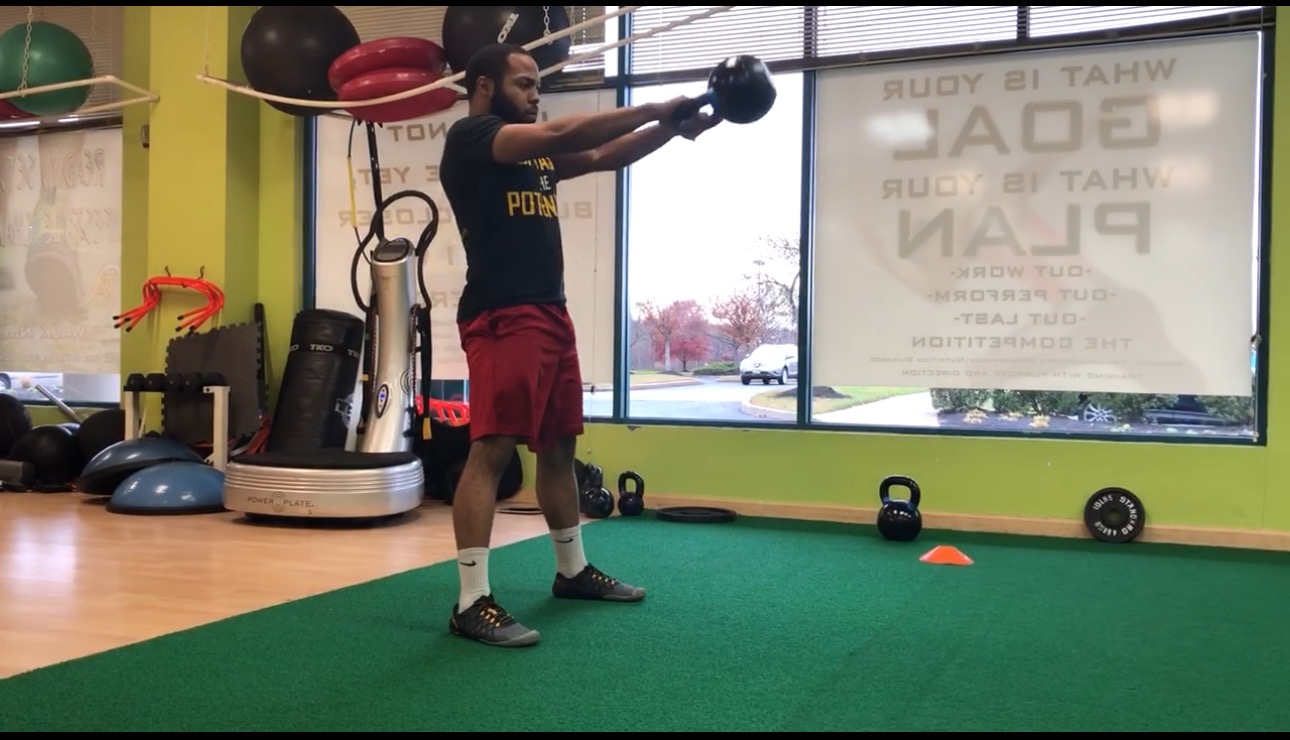
Athletes often strive to achieve personal and team-oriented goals throughout the season. Key questions include: When should I work out? What’s the best time for intense training? How do I cut weight effectively? How can I improve my speed? Understanding the optimal timing of these elements during the season is crucial. Let’s break the season into four parts: Pre-Season, In-Season, Post-Season, and Off-Season. What does all this mean for your sports performance and personal training?
Phases of Training
Each training phase has specific goals tailored to enhance sports performance. These phases consider the number of reps and the intensity of the workout. Focus on maintaining the strength developed or increasing sport-specific training for peak performance.
Pre Season Training
The pre-season aims to increase strength and gradually translate that strength into power, which is vital for improving sports performance. Transition from high-volume workouts with high rep counts and heavy lifting to moving a fairly heavy load (50-70% of max) with a focus on increasing speed. Athletes should aim to move efficiently, effectively, pain-free, and perform at their best during this training phase.
In Season Training
In-season training focuses on increasing sport-specific movements with high intensity while keeping the volume and intensity of physical conditioning low. The goal is to maintain muscle, power, speed, and agility developed during the off-season. Practices are consistent, usually 3 to 4 days a week, with games on weekends. Coaches focus on refining athletes’ skills based on offense, defense, or specific positions, such as a defenseman and forward in hockey or a point guard and center in basketball. As the season’s intensity increases, resistance training may be reduced to 2 to 3 days a week, severely less intense than off-season and pre-season workouts.
Post Season Recovery
The post-season’s duration depends on the length of the season and playoff participation. It’s crucial to give your body adequate recovery time. You want to engage in light or moderate activities unrelated to your sport to facilitate recovery before the next season. Avoid high-intensity training to ensure proper rehabilitation, essential for peak sports performance.
Off Season Conditioning
The off-season is the period after the post-season when an athlete’s season ends and before the next season begins. This phase usually involves high-volume workouts with low intensity. You want to focus on increasing lean body mass and developing endurance, both physically and metabolically. As the pre-season approaches, increase workout intensity and decrease the number of reps. This is the ideal time for athletes to target areas they couldn’t focus on during the season: improving speed, optimizing weight for peak performance, adopting a new sleep routine, or trying a new diet.
Tying it All Together
Pre-Season, In-Season, Post-Season, and Off-Season. Each phase has specific goals to optimize sports performance. The Pre-Season focuses on building strength and converting it into power through gradually increasing intensity and speed. During the In-Season, the emphasis is on high-intensity, sport-specific skills while maintaining lower physical conditioning to prevent overtraining. The Post-Season is a recovery phase, involving light activities to help the body recuperate from the previous season’s demands. Finally, the Off-Season, being the most demanding, aims at increasing lean body mass and endurance with high-volume, low-intensity workouts, allowing athletes to refine specific aspects of their performance and prepare for the next season.
Written by:
Darrid Watson, CSCS, NSCA-CPT
Take action… Now!
Visit us: Inside of the Flyers Training Center 601 Laurel Oak Rd. Voorhees, NJ 08043