Training Aspects logo
HOME SERVICES
hockey sports Boxing Fitness Alpha 68
BLOG CONTACT US
Twitter
Facebook
YouTube
Instagram
Email
Back
, , ,

Prevent Injuries by Mastering the Kinetic Chain: Essential Tips for Protection from Injury

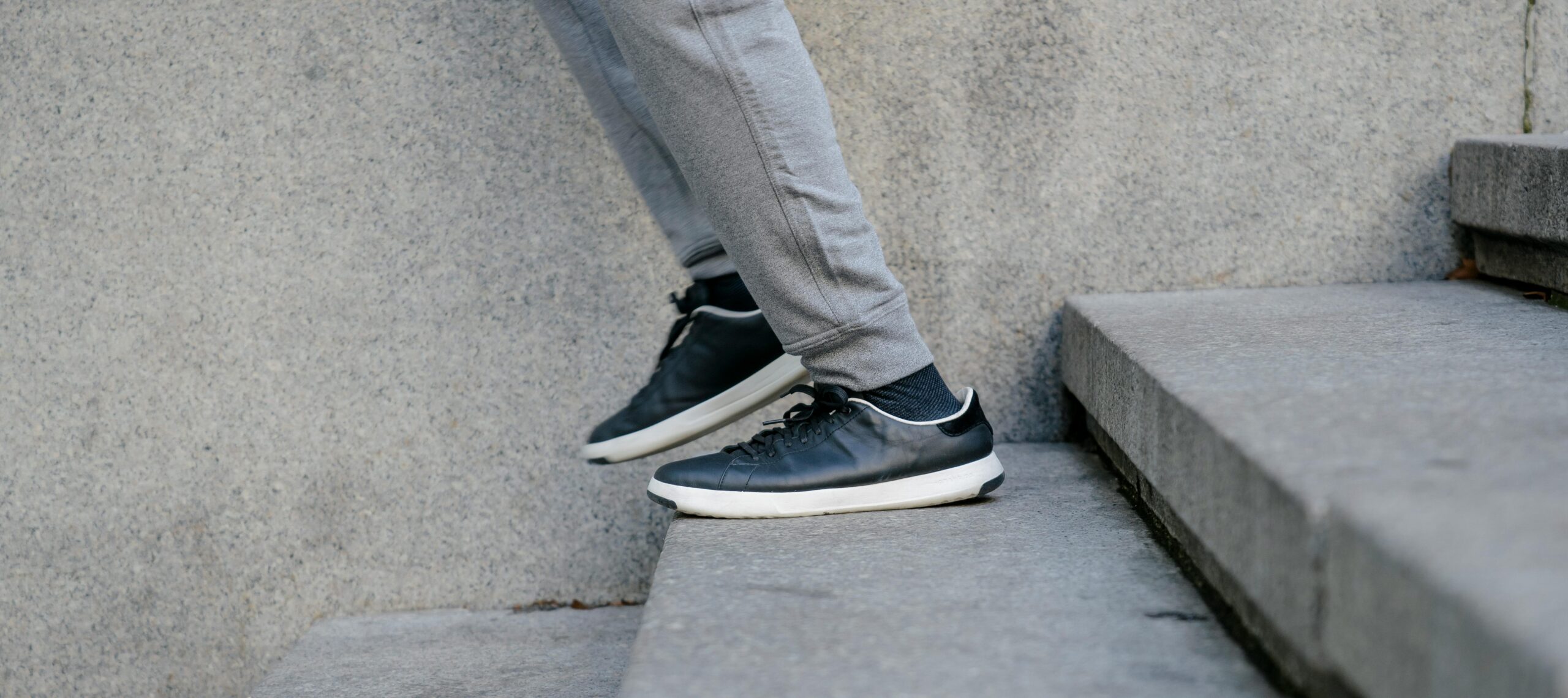
kinetic chain and injury prevention

When it comes to preventing injuries, understanding the kinetic chain is key for both athletes and anyone else participating physical activity. When one part of this chain becomes hurt, weak or dysfunctional, it can lead to compensation patterns that put unneeded stress on other areas, increasing the risk of injury. It’s an absolute must to analyze these patterns for maintaining movement integrity, force production and overall physical health, whether on the field or during daily tasks.

What is it?:

The kinetic chain is a concept that views the body as a series of interconnected parts (the bones, muscles, joints, and connective tissues) working in unison to perform movement. Much like a chain made of links, each part affects the others. For example, a breakdown in the mobility of your ankles can compromise knee stability to then potentially lead to hip or lower back pains or injury. This chain of interconnectedness means that when one section is out of alignment or weakened, the body must adjust, often creating inefficient and comprimising movement patterns. This concept is essential not only for athletes but for anyone who wants to move safely and efficiently throughout their daily life, from walking and lifting to more complex activities.

Performance and Training:

In relation to sports performance and training, the kinetic chain is a major factor in optimizing performance and reducing the likelihood of injury. Athletes rely on their coordination between muscles and joints to achieve peak controlled efficiency and power. In a sprint, the movement begins at the feet and transfers force through the legs, hips, and core before reaching the upper body to launch off the ground. If there is a weakness or instability at any point in this chain, like tight hip flexors or weak gluteal muscles, it can impair performance and increase the risk of injuries like strains or tears. A training program that focuses on strengthening the entire kinetic chain will improve an athlete’s power, agility, and resilience, ensuring that each part supports the others harmoniously. This approach can make a significant difference in both the high intensity sports and performance training, therefore emphasizing the importance of balanced, functional strength across the body.

#unleashthepotential

Written by:

Dan Aquino

BS, ASFA-CPT


Take action… Now!

This field is for validation purposes and should be left unchanged.
Name(Required)

Training Aspects Personal Training and Sports Performance:

Visit us: Inside of the Flyers Training Center 601 Laurel Oak Rd. Voorhees, NJ 08043

Recent posts
  • Is What You’re Eating Supporting Your Training?
    Fit and healthy, Fitness, Fitness and Nutrition News in South Jersey area, Personal trainer tips, Sports performance
    Is What You’re Eating Supporting Your Training?

    You put time aside to workout. You show up, put the effort in, and you know what you’re trying to accomplish while you’re there. Maybe you want to get stronger, build muscle, improve your performance, lose body fat, or simply feel better. But what happens when the workout is over? It’s very easy to look…

  • GLP-1s Help You Eat Less, But What Are You Eating?
    Fit and healthy, Fitness and Nutrition News in South Jersey area, Personal trainer tips, Training & GLP-1s, Weight Loss
    GLP-1s Help You Eat Less, But What Are You Eating?

    It’s pre tty straight forward looking at how GLP-1s can be helpful for weight loss since you’re not going to be as hungry as you used to be. You’re eating less, getting full faster, and maybe for the first time in a while food isn’t taking up as much space in your head throughout the…

  • How Much Exercise Do You Actually Need on a GLP-1?
    Fit and healthy, Fitness, Fitness and Nutrition News in South Jersey area, Personal trainer tips, Weight Loss
    How Much Exercise Do You Actually Need on a GLP-1?

    If you’re starting a GLP-1, seeing the scale begin to move can create a lot of motivation and hype. This same confidence tends to be transferred to change other parts of your lifestyle too. Maybe you’re thinking about getting more steps in or finally starting that workout routine you’ve been putting off. I love the…

Subscribe to our newsletter
This field is for validation purposes and should be left unchanged.