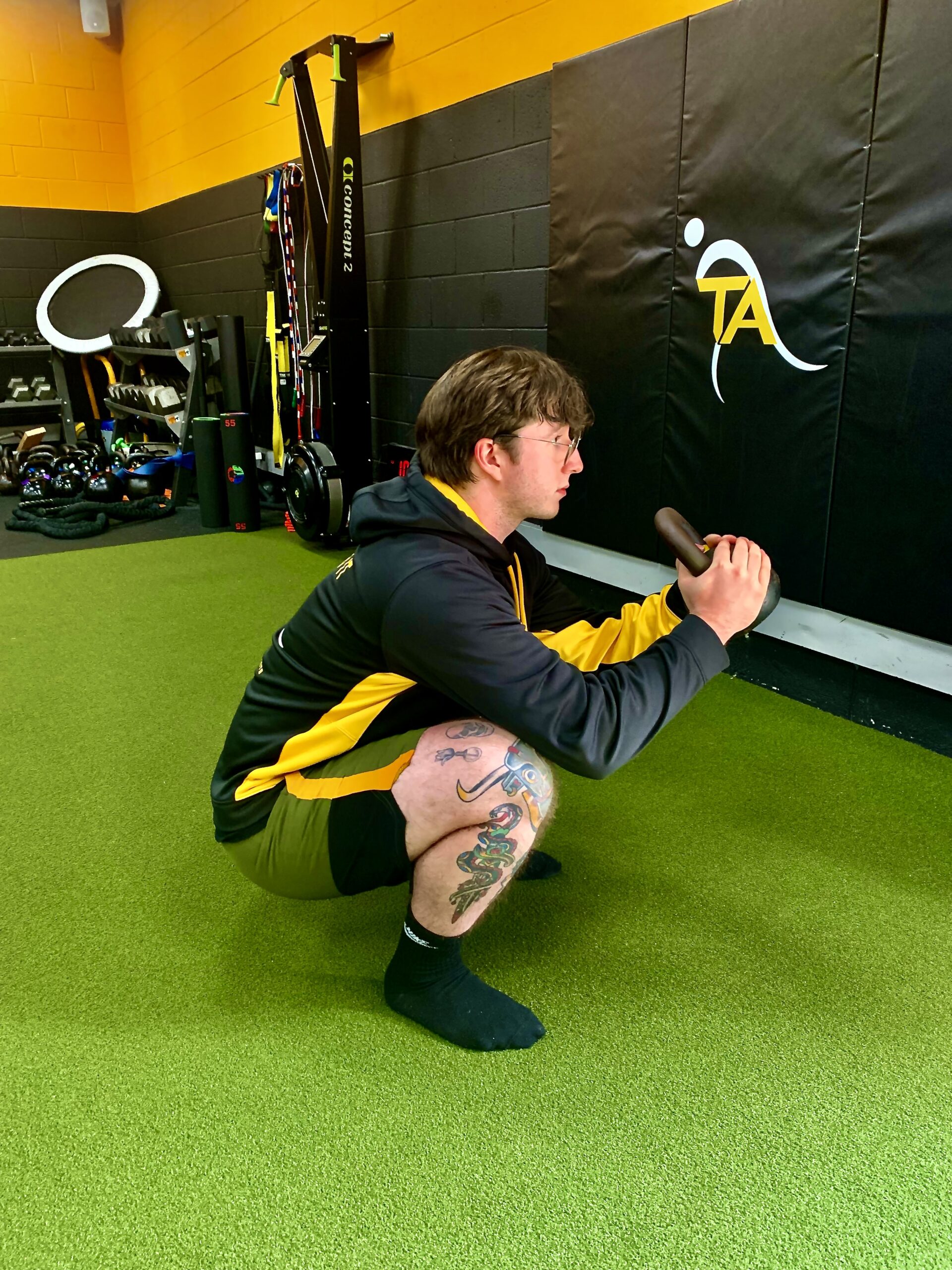
Preparing your muscles and joints for a workout or sport, following the approach of releasing, mobilizing, activating, and finally integrating is crucial. Integrations, being the last step in this sequence, ensures your body is fully prepared for the physical demands of what’s ahead. While many focus mostly on the earlier steps, the importance of integrations cannot be overstated. Integrations involve movement-mimicking exercises that transition your body from warm-up to action by blending all the preparatory work into the specific movements required.
Integrations vs. Stretching:
Stretching and integrations are both essential components of a well-rounded warm-up, but they serve different purposes. Stretching, whether static or dynamic, is primarily focused on increasing your range of motion. It helps elongate muscles, reduce stiffness, and prepare joints for movement. However, while stretching prepares your muscles by improving flexibility, integrations take it a step further. Integrations not only increase your range of motion but also strengthen and prime it by mimicking the movements you’ll perform during your workout or sport. This approach ensures that your body is not only flexible but also capable of handling the intensities with precision and power.
Why Movement Mimicking?:
Movement-mimicking integrations are essential because they directly prepare your body for the specific load that the body will take. Through practicing movements that closely resemble those in your workout or sport, you’re conditioning your muscles and joints to respond effectively under enduring the specific conditions. This preparation helps to ensure that your range of motion is not just available but functional at the required intensity. Also, rehearsing these movements helps you reduce the risk of injury as your body becomes more accustomed to the patterns and forces involved. Movement mimicking primes your neuromuscular system, making the transition from warm-up to full explosiveness, smoother and safer.
Strengthen Your ROM:
A strengthened range of motion (ROM) is crucial for optimal performance and injury prevention. While flexibility is important, it’s the strength within that range of motion that truly determines how well you can perform and how susceptible you are to injury. Integrations help to fortify the the muscles around your joints and they prepare them to handle the dynamic stresses of your performance. A strong ROM means that your body can move efficiently and powerfully through its full range, providing stability and control in every movement. This strength is what allows people to push their limits safely and effectively, making integrations a key to muscle and joint preparation.
Written by:
Dan Aquino – BS, ASFA-CPT
Take action… Now!
Training Aspects Personal Training and Sports Performance:
Visit us: Inside of the Flyers Training Center 601 Laurel Oak Rd. Voorhees, NJ 08043