Summer Training: Build the Athlete Behind the Hockey Player
When the hockey season ends, many athletes immediately think about getting more ice time. They sign up for skating sessions, skills clinics, and stickhandling camps, believing that more time on the ice is the fastest way to improve. While those opportunities are incredibly valuable, they are only one piece of the puzzle. The summer is also the best opportunity to develop the physical qualities that allow those on-ice skills to truly flourish.
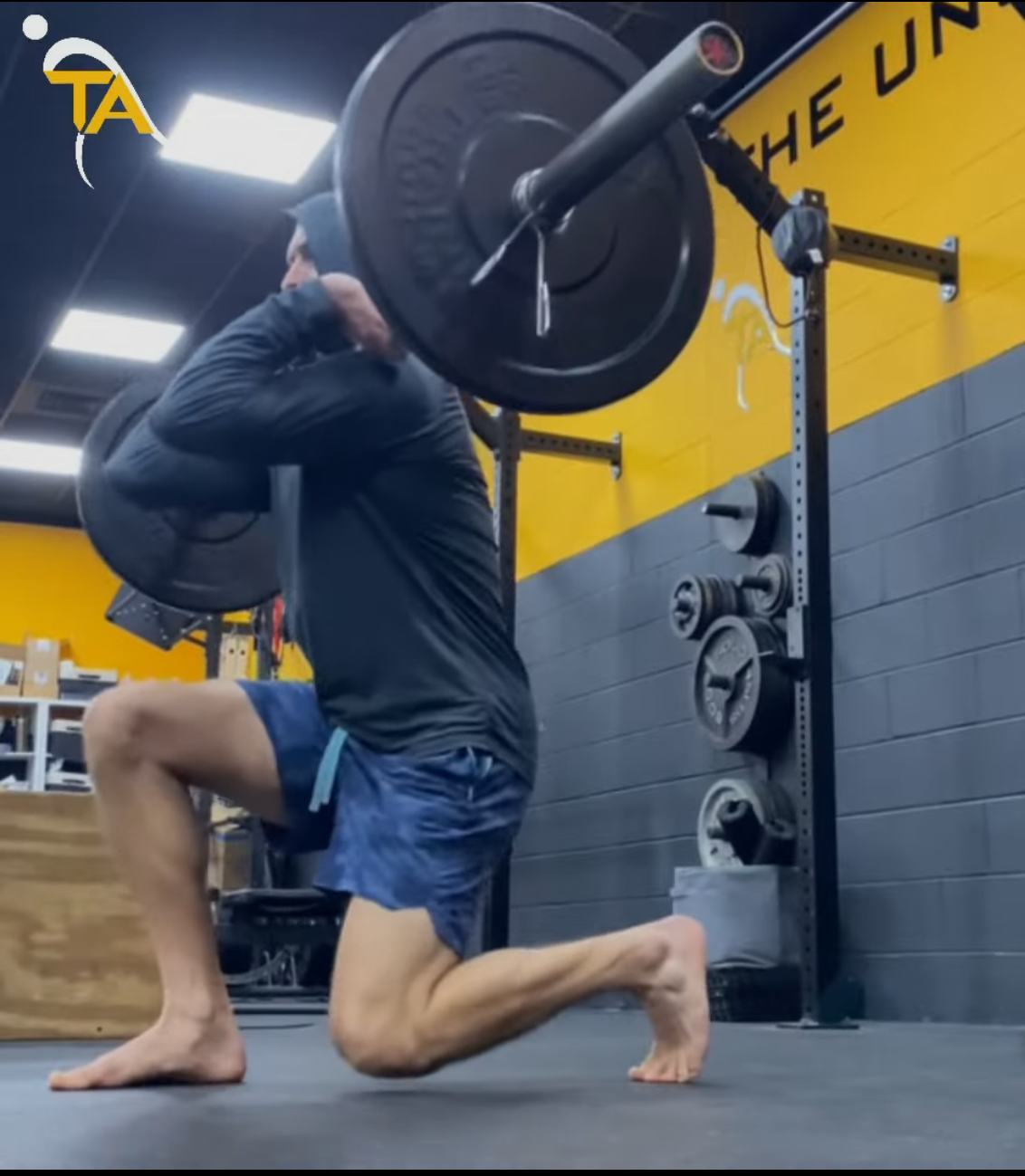
At Training Aspects, we believe the off-season is about building the athlete behind the hockey player. The stronger, more mobile, and more stable an athlete becomes away from the rink, the more productive every skating lesson and skills session will be when they step back onto the ice.
Open Up Your Movement
One of the biggest factors limiting athletic performance is not effort or desire. It is movement. Many athletes simply do not have the mobility required to perform the positions their coaches are asking them to achieve. Tight hips can limit stride length, restricted ankles can affect skating depth, and poor thoracic mobility can reduce rotation and balance throughout a stride.
When the body cannot naturally move into the correct position, it finds another way to complete the movement. These compensations may allow an athlete to get by in the short term, but they often reduce efficiency, limit power, and increase unnecessary stress on the body. Instead of reinforcing proper movement patterns, athletes begin reinforcing inefficient ones.
Improving mobility creates new opportunities for movement. As athletes gain better range of motion, they are able to get into stronger skating positions, create cleaner edges, and move more freely through every stride. The result is not only improved performance but also a body that is better prepared to learn and adapt.
Build More Power
Movement alone is not enough. Once an athlete can move well, they need to develop the ability to produce force quickly and efficiently.
Hockey is an explosive sport. Every first step, crossover, change of direction, and battle for puck possession depends on an athlete’s ability to generate power. Summer training allows players to focus on building that explosiveness without the demands of a full game schedule.
Strength training, plyometrics, sprint work, and medicine ball exercises all contribute to developing powerful athletes. These methods teach the body to apply force more efficiently, leading to quicker acceleration, stronger skating strides, and improved overall athleticism. The goal is not simply to lift heavier weights. The goal is to create movements that transfer directly to performance on the ice.
Create Stability Through Movement
Mobility and power are only effective when an athlete has the stability to control them. A player may have enough flexibility to reach a position, but if they cannot maintain balance and control once they get there, much of that potential is lost.
Stability allows athletes to own every position their body moves through. It improves balance, strengthens single-leg control, enhances posture, and allows force to transfer efficiently from the ground through the body. These qualities become especially important during skating, where every stride is performed on one leg while producing and absorbing significant amounts of force.
Developing stability also helps athletes become more resilient. Better control often means fewer unnecessary movements, better mechanics, and a reduced likelihood of compensations that can eventually lead to overuse injuries.
Why Off-Ice Training Matters
One of the greatest benefits of summer training is that it allows skating coaches and skills coaches to focus on what they do best. Their job is to teach technique, refine mechanics, and improve hockey-specific skills. However, those improvements are much more difficult when an athlete’s body cannot physically achieve the positions being taught.
If a skating coach asks a player to achieve a deeper knee bend, create more hip extension, or rotate through a movement pattern, the athlete first needs the physical ability to perform those actions. Without adequate mobility, strength, or stability, the body compensates. Those compensations often make movements less efficient and reduce the effectiveness of coaching.
When athletes dedicate time during the summer to improving how their bodies move, every on-ice session becomes more productive. Coaches spend less time working around physical limitations and more time refining skill. Athletes learn faster, move more efficiently, and are better able to apply what they are being taught.
Invest in Your Development
The best players understand that becoming a better hockey player starts with becoming a better athlete. Summer is not simply about staying in shape until the season begins again. It is about creating a stronger foundation that supports every aspect of performance.
By improving movement, developing explosive power, and building stability, athletes give themselves the physical tools necessary to maximize every skating lesson, every skill session, and every practice. The work completed away from the ice creates opportunities for greater success on it.
At Training Aspects, our summer hockey performance program is designed to help athletes move better, become more explosive, and build the strength and stability needed to perform at their highest level. When training camp arrives, our goal is simple. We want every athlete to step onto the ice with a body that is fully prepared to take advantage of every opportunity to improve.
Written by:
Kirill Vaks
BA, CSCS
Take action… Now!
Voorhees Flyers Training center.
The Hollydell ice arena, in the main building.