Are you keeping track of how much water you drink daily? While some people make hydration a priority, many of us overlook this critical aspect of health—especially those who aren’t fond of drinking water. A common guideline is to aim for 8 glasses (or 64 ounces) of water a day, but for athletes, the stakes are much higher.
The Benefits of Staying Hydrated
Water plays a vital role in maintaining overall health and performance. Here are some key benefits:
- Brain Function: Proper hydration supports focus, memory, and mental clarity.
- Organ Health: Water regulates organ function, including waste removal and kidney health.
- Body Cooling: Sweating helps regulate body temperature during physical activity.
- Weight Management: Drinking water can aid in weight loss by curbing appetite and boosting metabolism.
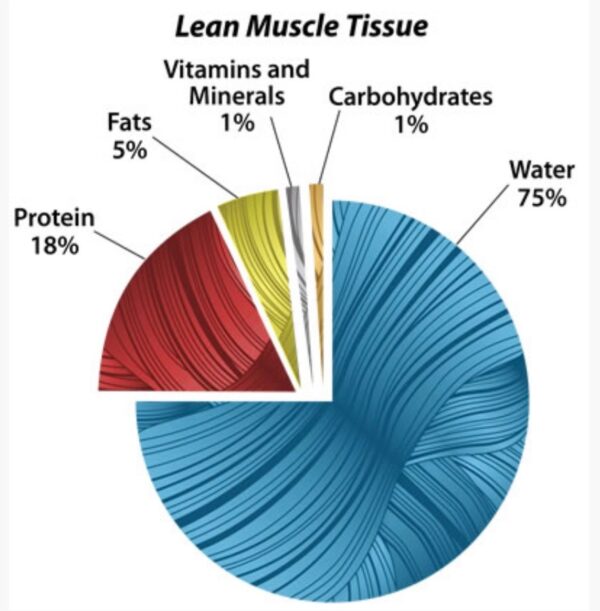
Did you know your body is made up of 50-70% water, and your muscles consist of 70-75% water? That’s why hydration is particularly crucial for athletes.
Hydration for Athletes: Why It Matters
Athletes need to go beyond standard hydration guidelines. Sweating during exercise depletes both water and electrolytes, which are essential for muscle function and recovery. Electrolytes, such as sodium, potassium, and magnesium, help:
- Maintain fluid balance in the body.
- Prevent dehydration and muscle cramps.
- Regulate body temperature to avoid overheating.
The Impact of Dehydration on Athletic Performance
Dehydration can significantly hinder performance:
- A mere 3% drop in hydration can result in a 10% decrease in muscle strength and performance.
- Severe dehydration (30-40%) can drastically affect strength, speed, reaction time, and endurance.
- Lack of hydration may also increase the risk of injuries such as muscle tears, sprains, and fractures.
How Much Water Do Athletes Need?
Athletes require more than the average recommended water intake due to sweat loss during activity. Here are some general guidelines:
- Weigh yourself before and after exercise. For every 1 lb lost, replenish with 0.5 liters of water.
- Duration matters: The longer your workout, the more water and electrolytes you’ll need to replace.
• Monitor for signs of dehydration: dry mouth, dark urine, dizziness, or fatigue.
Hydration and Athletic Goals
Whether you’re strength training, aiming to lose weight, or pursuing peak performance, hydration is a game-changer. Muscles, being 70-75% water, depend on proper hydration for optimal function.
Ask yourself this: Are you drinking enough water to fuel your goals? Staying hydrated can make the difference between a personal best and a disappointing performance.
The next time you reach for a water bottle, remember: your hydration levels are the foundation of your success.
Written By:
Darrid Watson, CSCS, NSCA-CPT
Take action… Now!
Voorhees Flyers Training center. The Hollydell ice arena, in the main building. Ice land hockey rink