“Get Stronger”: What That May Mean for the Young Athlete
Developing young athletes can be challenging. Often, youth coaches struggle to identify the specific needs that help each player improve their movement and athletic performance. The go-to phrase is “your young athlete needs to be stronger.” As mentioned in past articles, changes in hormones, body length, weight, mindset, etc., occur frequently in developing youth athletes. They are constantly evolving, day by day.
Here are 3 things that the developing athlete can incorporate into their weekly program to maximize their time and achieve the greatest results in their sport.
Movement Training:
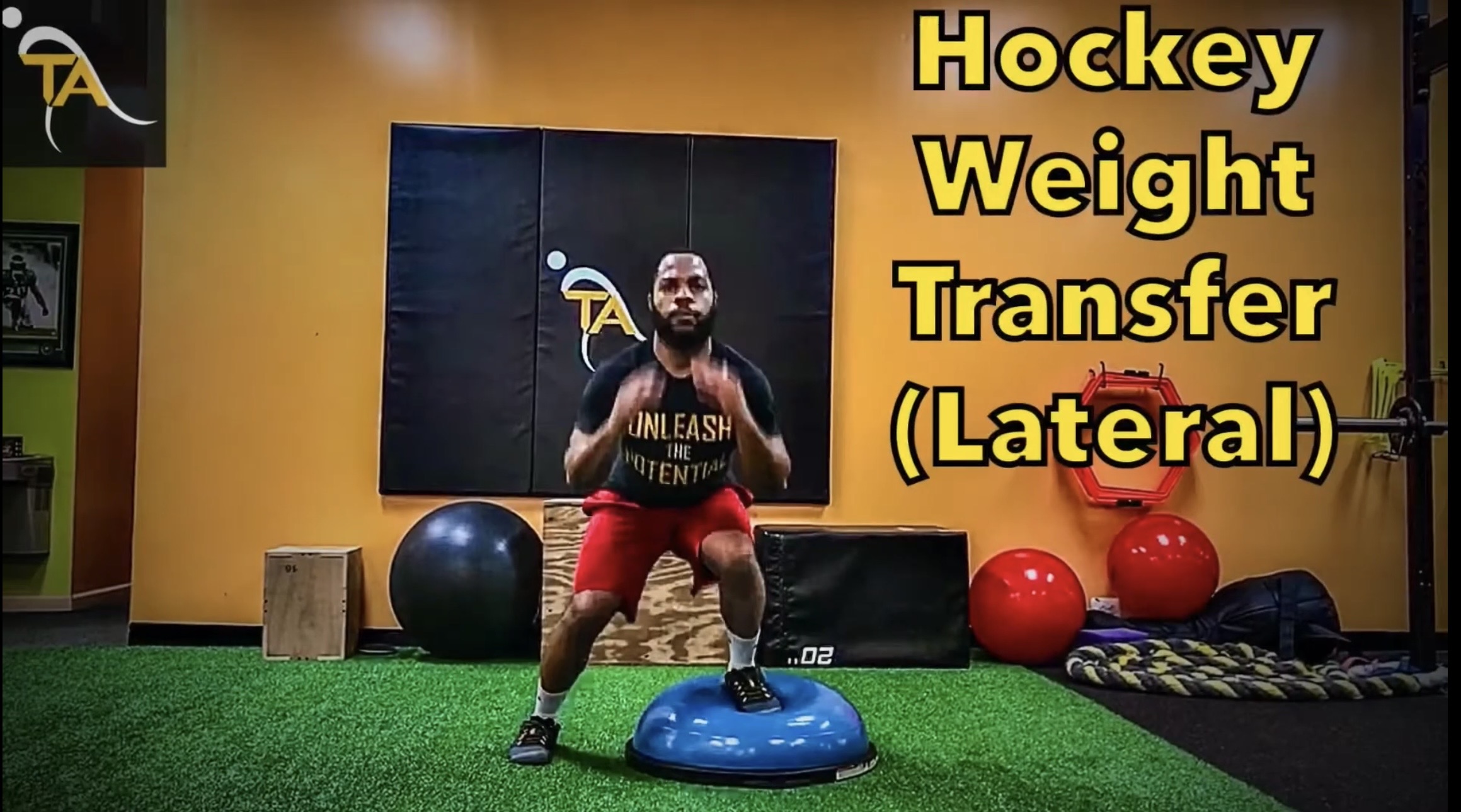
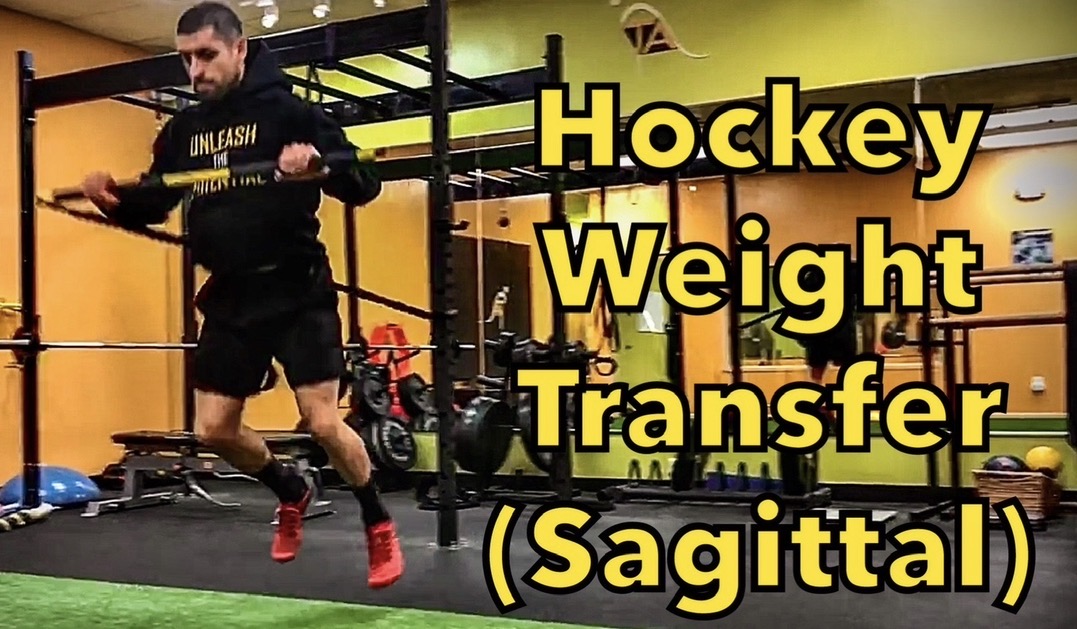
Some would call this bodyweight exercises, and they aren’t wrong. The key aspect of movement training is training forward, backward, side-to-side, and rotationally. Many athletes do squats, push-ups, pull-ups, and crunches—great basic exercises. Adding duck walks in all directions increases the value of the squat and also opens up the athlete’s range of motion. Push-up variations, bear crawls, monkey bars, side-to-side pull-ups, crab walks, single-leg jumps, squats, and balance holds are all excellent. These movements force the athlete to continuously learn how to move their body effectively and efficiently. Additionally, they help the athlete increase their mobility with strength, rather than just stretching.
Mobility Training:
Many people think of mobility training as stretching. Stretching is beneficial, but without loading the muscle with pressure, it doesn’t transfer well to sport. Performing duck walks, followed by squat tuck jumps, and then a single-leg ¼ squat balance hold can increase the athlete’s range of motion and help them understand how to use those movements as they grow and change.
Training Games and comeptition:
Youth athletes, specifically those aged 8-12, often love to work out and train—when it’s fun. If they enjoy it (even with the soreness, challenges, and competition that come when testosterone levels begin to rise), they’ll develop a passion for working out. Help them form a habit and a desire to train. Forcing kids to work out and making them focus solely on what it will do for their future, no matter how “mentally mature” they are, is unrealistic. Competitive training games provide a unique blend of movement, exercise, and focus. This age group needs structure, but a little “chaos” within that structure will allow the athlete to enjoy training. Build the foundation, both mentally and physically, for the athlete to truly succeed.
Parents’ Concerns:
Many parents fear training for youth athletes (ages 8-12), but training at this age is essential—if the right boundaries and standards are applied. This approach won’t only be great for their sports development but also for their overall growth and success in life!
#unleashthepotential
Written by:
Kirill Vaks
BA, CSCS
Take action… Now!
Voorhees Flyers Training center.
The Hollydell ice arena, in the main building.