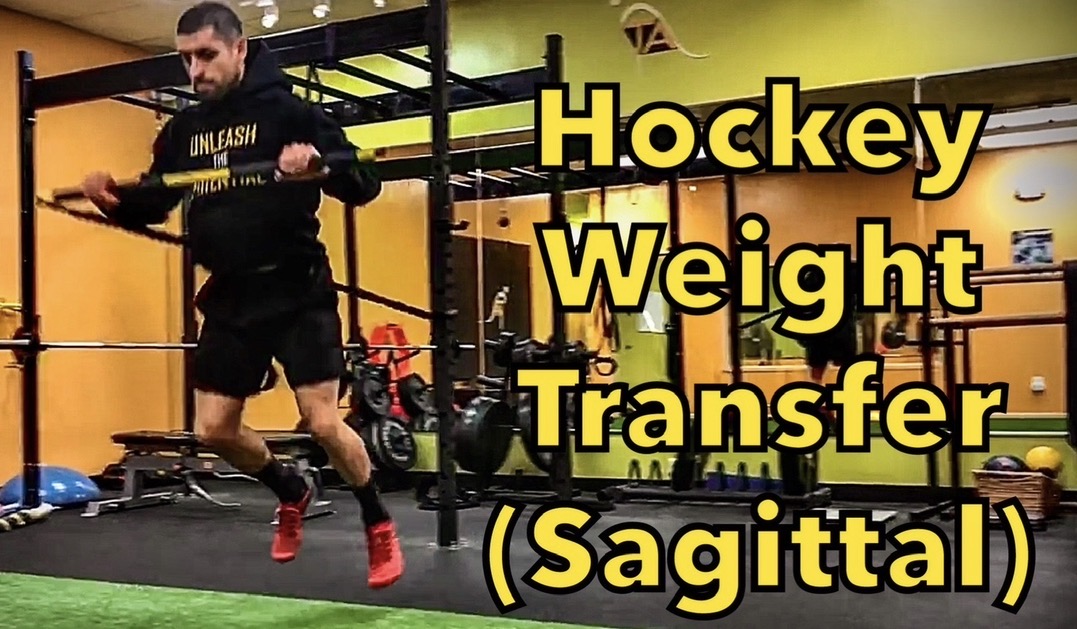
“Power training” is often pictured with athletes sprinting, jumping, all these explosive, eye catching movements that. But power isn’t just for athletes and performers, it’s for anyone who wants to move better and stay confident in their body’s ability to stay healthy through sudden movement. Power plays a big part of everyday life. It’s your ability to produce force quickly and efficiently but is sadly something that tends to fade as we get older. And of course, the best way to slow down that clock is to train!
“Power training” doesn’t have to mean maxing out weights on crazy movements or doing Olympic lifts. Starting out you can keep it simple and safe with small, explosive movements that train your body to react fast without losing control. Even something as simple as a vertical jump can be the start by focusing on your body loading the movement and absorbing the landing efficiently throughout the body. Simple exercises like that can mimic the kind of power your body naturally uses day to day, keeping your coordination sharp and your reaction time fast. The goal isn’t to push to your limit every rep, but to move with speed, rhythm, and control. That’s what and how you make it functional and sustainable.
Even if you never step onto a field or court, training for power pays off in balance, joint health, and energy efficiency. It makes you more aware of how your body moves through space, giving you a sense of athleticism that carries into daily life. When your muscles, joints, and nervous system are all communicating well, everything becomes easier. Lifting groceries, keeping up with the kids, taking a little more challenging path on a hike, can all be things improved from a more controlled and efficient power output. Power training reminds your body how to stay active, capable, and ready for whatever life throws your way.
#unleashthepotential
Written by:
Dan Aquino
BS, ASFA-CPT
Take action… Now!
Voorhees Flyers Training center.
The Hollydell ice arena, in the main building.