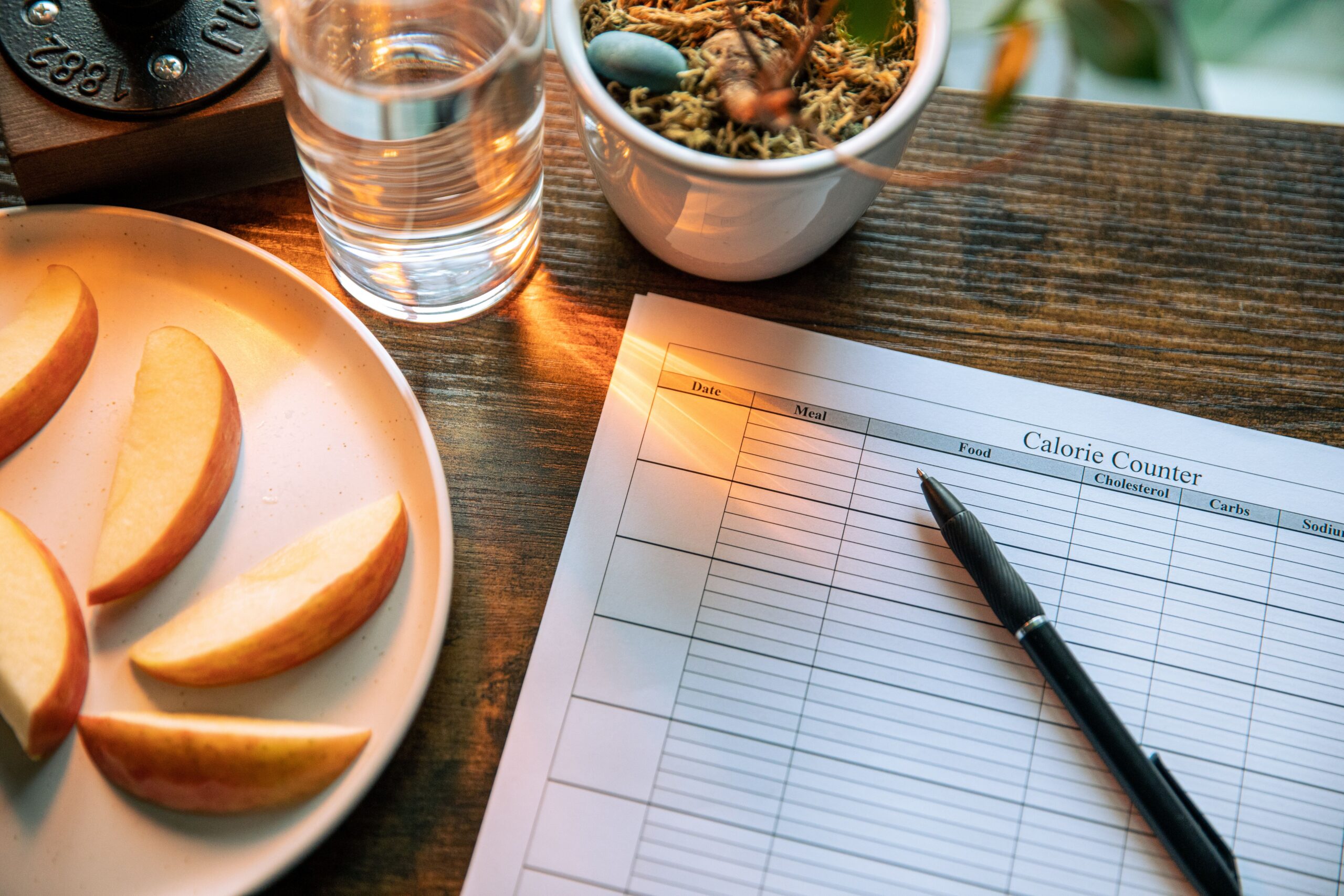
Tracking food is a conversation that always ends up in the conversation when it comes to nutritional goals. Calories, protein, carbs, fats…all those fun numbers. Important for sure but can either give you useful information or make eating feel like you’re solving a math problem for the day. So do you need to track everything you eat while gaining, losing weight and/or taking a GLP-1? Not necessarily. I track my food and I like tracking it for the same reason I like recording my workouts or measuring body composition. What it gives us is some of the most important information for your journey. The goal isn’t for you to spend the rest of your life weighing every blueberry you put into a bowl. What it can do is to help you better understand what you’re currently putting in your body so you can make decisions with more reason behind them.
What Are You Trying to Learn?
Before downloading an app and tracking every bite you take, ask yourself what you’re actually trying to figure out. As, always, I’m gonna say make sure it lines up with your goals but common questions I see go from, “Am I getting enough protein?” to “How much should I be eating throughout the day?” to “Should my portions be different for my body type?”. All very great questions! Maybe you’re taking a GLP-1 and your appetite has dropped enough that you’re actually curious whether you’re getting enough nutrition to support your training and daily activity. This is all where tracking can be really useful. It’s the hard factual info on what your body is intaking to also compare it to how you feel and how much closer you see your measurements are getting closer to where you wanna be. You might think you’re eating plenty of protein until you actually look at it for a few days. Maybe you realize most of your food is coming later at night or that lunch is basically nonexistent because you’re busy at work. Nothing about this information is “good” or “bad”, it’s objective and non-bias so you know what to and what not to change.Use the Information, Don’t Let It Use You
Where I don’t want tracking to go is feeling like you failed because you went 100 calories over whatever number an app gave you. Your body doesn’t know that MyFitnessPal turned the number red. Tracking is supposed to help you understand your habits, not make you afraid of food or convince you that every meal needs to perfectly fit into a calculator. Especially in the beginning, don’t look for perfection, look for patterns and create the habit of consistent tracking. What do your normal days look like? How about weekends? Are there nutrients you’re consistently missing? Does what you’re eating actually support what you’re asking your body to do? With all these answers you can start to then use that information if any change is needed.You Can Learn Without Tracking Forever
One of the best things that can come from tracking food is eventually needing it less. In most weight loss or gain cases, when you get to maintenance, it’s a lot easier with what you now eat. After paying attention for a while, you start learning what a good protein portion looks like and feels like too. You become more familiar with how much food your body needs. Knowing which meals keep you satisfied and what tends to work around your workouts. You’re building awareness, a skill that will always help keep you on task. Maybe you still check in and track for a few days every now and then when something changes. Maybe tracking continues to work really well for you and you enjoy doing it. There’s no trophy for tracking every meal for the rest of your life, just like there’s no trophy for never tracking anything. The best reward is in the use of tracking, it gives you the useful information to learn from, make your adjustments, and serves you getting closer to your goal instead of controlling you.#unleashthepotential
Written by:
Dan Aquino
BS, ASFA-CPT
Take action… Now!
Training Aspects Personal Training and Sports Performance locations:
Voorhees Flyers Training center.
Ice land hockey rink
The Hollydell ice arena, in the main building.