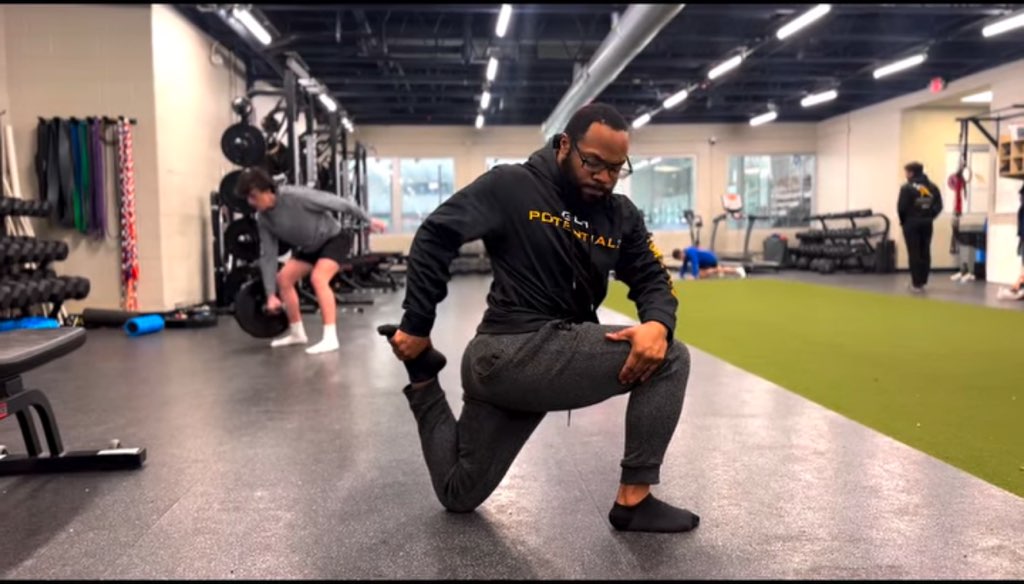
Did you know that incorporating yoga into your training routine offers benefits beyond just flexibility? While many athletes associate yoga with stretching, it provides significant advantages in strength, mobility, balance, and mental focus. Whether you’re a runner, weightlifter, or team sport athlete, yoga can enhance performance and recovery in ways you may not have considered.
Here are four key reasons why every athlete should include yoga in their training regimen:
- Core Strength and Stability
- Improved Breathing and Endurance
- Enhanced Balance and Coordination
- Mental Strength and Body Awareness
Core Strength and Stability
When you hear the word “core,” do you immediately think of abs? While abdominal muscles are part of the core, true core strength comes from deeper stabilizer muscles, including the erector spinae, internal obliques, and pelvic floor muscles. These muscles play a crucial role in maintaining posture, mobility, and overall strength.
Yoga movements, particularly isometric holds and controlled transitions between poses, activate smaller muscle fibers that are often neglected in traditional strength training. This not only strengthens the core but also improves joint stability, reduces the risk of injury, and enhances overall movement efficiency.
Improved Breathing and Endurance
Breath control is a fundamental aspect of athletic performance. Yoga introduces various breathing techniques, known as Pranayama, that can improve lung capacity, enhance breath awareness, and promote relaxation. Here are three powerful breathing techniques athletes can use:
- Diaphragmatic Breathing – Strengthens the diaphragm and increases oxygen intake, improving endurance.
- Nostril Breathing (Nadi Shodhana) – Helps balance the nervous system and enhance focus.
- Ocean Breathing (Ujjayi Breath) – Creates a rhythmic breath pattern that can reduce stress and improve stamina.
By practicing these techniques, athletes can develop better breath control, reduce performance anxiety, and optimize oxygen delivery to muscles during training and competition.
Key Takeaway
Yoga is more than just stretching—it’s a powerful tool that enhances strength, endurance, mobility, and mental resilience. By integrating yoga into your training routine, you can improve core stability, refine breathing techniques, and enhance overall athletic performance. If you’re looking for an edge in your sport, yoga might be the missing piece in your training program. Stay tuned for Part Two of this article: How Yoga Enhances Balance/Coordination and Body Awareness.
Written By:
Darrid Watson, CSCS, NSCA-CPT
Take action… Now!
Voorhees Flyers Training center.
The Hollydell ice arena, in the main building.