When it comes to achieving your fitness goals, there are multiple paths you can take—whether it’s through sports, running, bodyweight exercises, jump rope, dancing, or calisthenics. However, in this article, we’ll focus specifically on weight training and how to tailor your workouts to achieve your desired results.
1.) Define Your Goal
The first step is identifying your primary objective: Are you training for speed, power, strength, size, or all of the above? Once you’ve determined your goal, the next step is to develop a training plan that aligns with your needs.
If you’re working out with a partner—whether it’s a teammate or someone with a similar body type—you may find that the same workouts yield great results for both of you. However, every athlete is different. Your training plan should be personalized, and finding what works best for you may require some trial and error.
2.) Choose the Best Training Method for Your Body
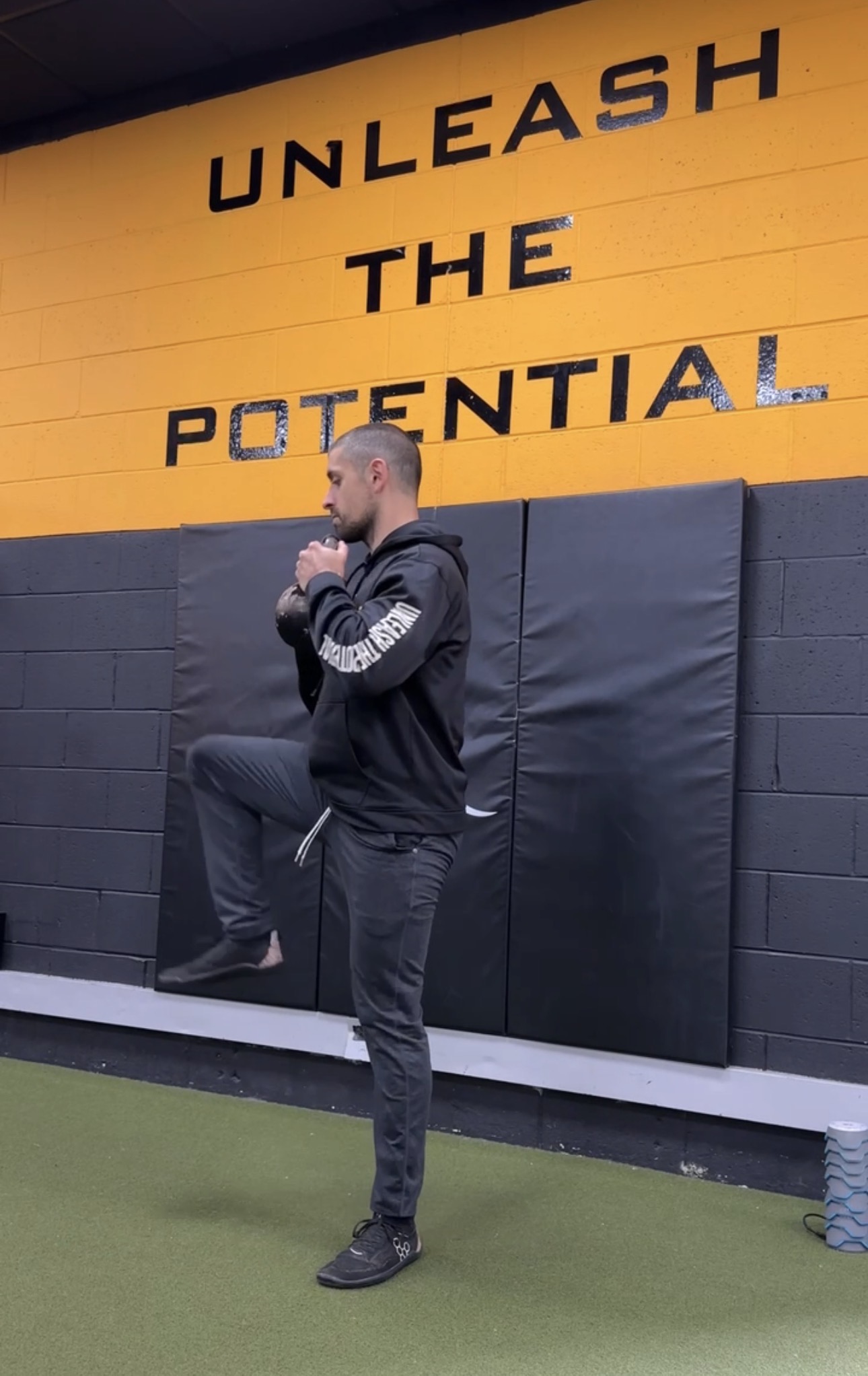
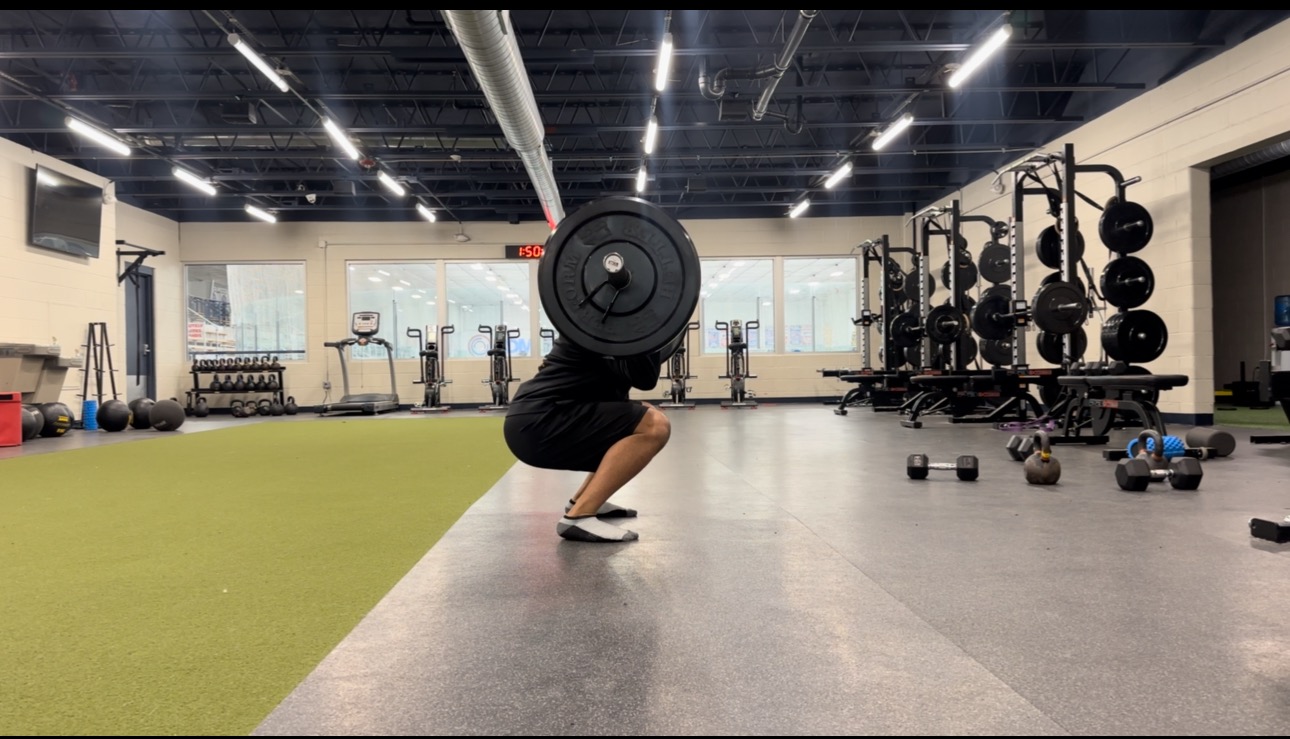
To optimize performance, you need to consider how your body responds to different training stimuli. Some athletes thrive on free weights, while others may benefit more from resistance bands, bodyweight exercises, kettlebells, or plyometrics.
Each individual has unique movement mechanics, strengths, weaknesses, and muscle fiber compositions, which affect how they adapt to various forms of resistance training. Testing different methods will help you discover the most effective approach for your body and sport-specific demands.
3.) Rep Ranges and Load Selection
Your rep range and weight selection should align with your training goals:
- Muscular Endurance & Toning – Lighter weights, 12+ reps per set
- Strength Training – Heavy weights, 2-6 sets of no more than 6 reps
- Hypertrophy (Strength & Size) – Moderate to heavy weights, 3-6 sets of 6-12 reps
Most athletes focus on a blend of hypertrophy and strength training to build both power and size. However, tailoring your rep scheme and load based on your specific sport or performance goal is key to maximizing results.
Conclusion
Choosing the right training approach depends on your goals, body mechanics, and individual strengths. Whether you’re striving for power, strength, size, or a combination of all three, the key is to create a structured program that optimizes progressive overload, recovery, and adaptation. Experiment with different training styles, monitor your progress, and adjust your plan accordingly to ensure continued growth and peak performance.
By understanding these principles, you can train smarter, improve athletic performance, and achieve long-term success in your sport or fitness journey.
Written By:
Darrid Watson, CSCS, NSCA-CPT
Take action… Now!
Voorhees Flyers Training center.
The Hollydell ice arena, in the main building.