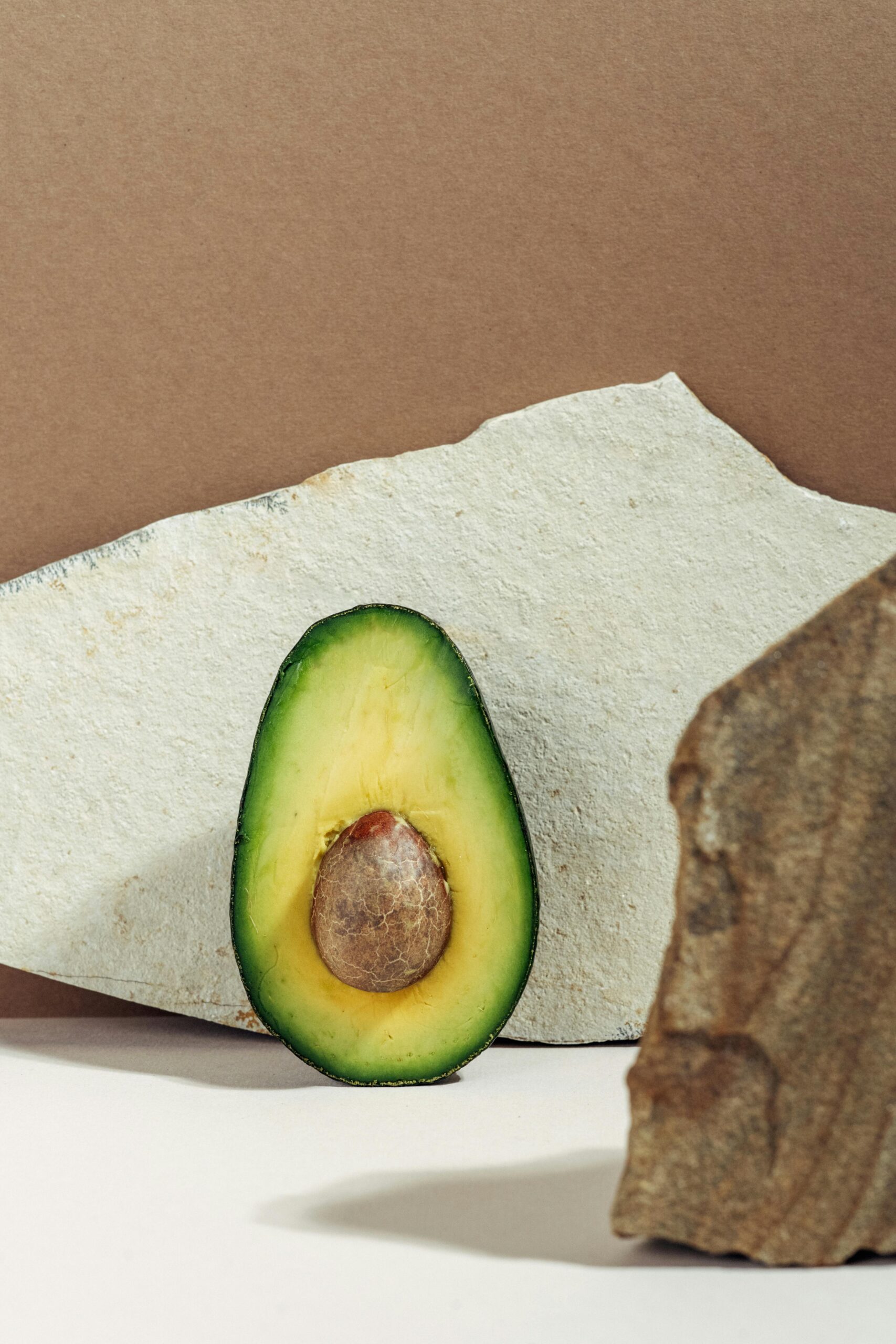
Fats have been unfairly labeled as the enemy of a healthy diet for a long time now. Many people believe eating fats lead to weight gain, heart problems, and sluggishness, but don’t consider the real truth. In reality, fats are a crucial part of a balanced diet, especially for those who live an active lifestyle. They are the fuel that provides long lasting energy, supports brain function, and even helps with recovery after exercise. The key isn’t to avoid fats, it’s choosing the right ones for you.
Energy and Health
Fats play a major role in keeping your body running efficiently. Unlike carbs, which burn quickly, fats provide a steady and long lasting energy source that helps fuel your day. Whether you’re going for a long walk, have a game later, or simply staying active with daily tasks. Beyond energy, fats also support essential functions in your body. They help absorb vitamins like A, D, E, and K, which are necessary for immune health, bone strength, and even healthy skin. They also support brain function, hormone production, and reduce inflammation to help with post workout recovery and overall wellbeing.
The Myth: Are Fats Really Bad for You?
Low fat diets are marketed as the healthiest choice, leading many people to fear that fat automatically equals weight gain. But the truth is, healthy fats can actually help with weight management by keeping you fuller for longer and reducing cravings. The real issue isn’t the fat itself but the type and quality of fats we consume. Not all fats are created equal. Some support your health and energy, while others can contribute to inflammation and long-term health issues.
Healthy Fats
- Unsaturated Fats: Found in foods like avocados, olive oil, nuts, and seeds, these fats support heart health and reduce inflammation
- Omega-3 Fatty Acids: Found in salmon, walnuts, and flaxseeds, omega-3s help with brain function and joint health
- Natural Saturated Fats (in MODERATION): Found in foods like coconut oil and grass-fed dairy, these fats provide energy and support metabolism
Unhealthy Fats
- Trans Fats: Found in processed and fried foods, these fats increase the risk of inflammation and heart disease.
- Highly Processed Saturated Fats: Found in some packaged snacks and processed meats, too much of these can contribute to poor health if consumed in excess
#unleashthepotential
Written by:
Dan Aquino
BS, ASFA-CPT
Take action… Now!
Voorhees Flyers Training center.
The Hollydell ice arena, in the main building.