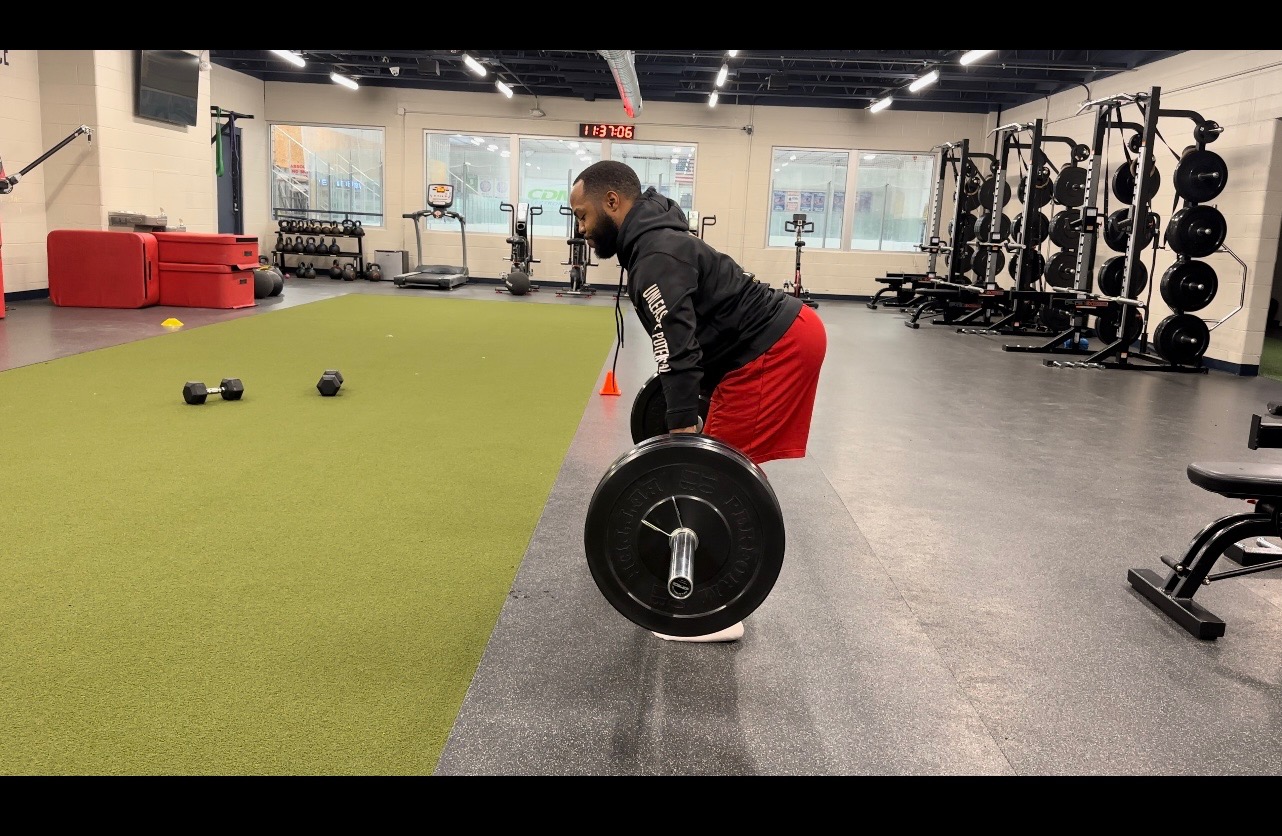
Parents and younger athletes often wonder, “How early is too early?” Questions like “When can I get my kid in the gym?” and “Is it safe for them to lift weights?” are common, while others worry, “Won’t lifting weights stunt their growth?” In reality, children are already lifting weights daily through their own body weight, grabbing objects, running, falling, and getting back up. The key to understanding how early is too early lies in their Training Age.
What is Training Age?
Training age refers to how long an athlete has been playing a sport, doing an activity, or working out. Coordination is a critical component of physical development and can begin as early as infancy. Some parents introduce their infants to gymnastics to enhance coordination and balance, while others choose sports like soccer to develop hand-eye coordination and motor skills.
Training Approach:
When enrolling your child in a sport, concerns about growth hindrance, especially with weightlifting, often arise. However, in a controlled environment, weight training can be beneficial. The focus should be on how well they move rather than how much weight they can lift. Proper landing techniques, for instance, are crucial to prevent injuries like knee strain from improper landings. For young athletes, incorporating bodyweight movements beyond their sport can be advantageous. This variety prepares them for unexpected movements, reducing injury risks from twists or falls.
Building Strength Safely:
Developing an athlete’s ankles, knees, hips, and shoulders before introducing heavy weights can make a significant difference. Ensuring they can perform bodyweight exercises—such as pushups, pullups, single-leg squats, learning to engage their core muscles and learning how to jump —without balance issues is essential. Once they master these movements and understand weight distribution, weights can be gradually introduced. There is no one-size-fits-all age for starting weightlifting. It’s about your child’s development and ensuring no harm. As they reach puberty, the foundational work will pay off, and with proper weightlifting techniques, they will not hinder their growth.
#unleashthepotential
Written by:
Darrid Watson, CSCS, NSCA-CPT
Take action… Now!
Visit us: Inside of the Flyers Training Center 601 Laurel Oak Rd. Voorhees, NJ 08043